
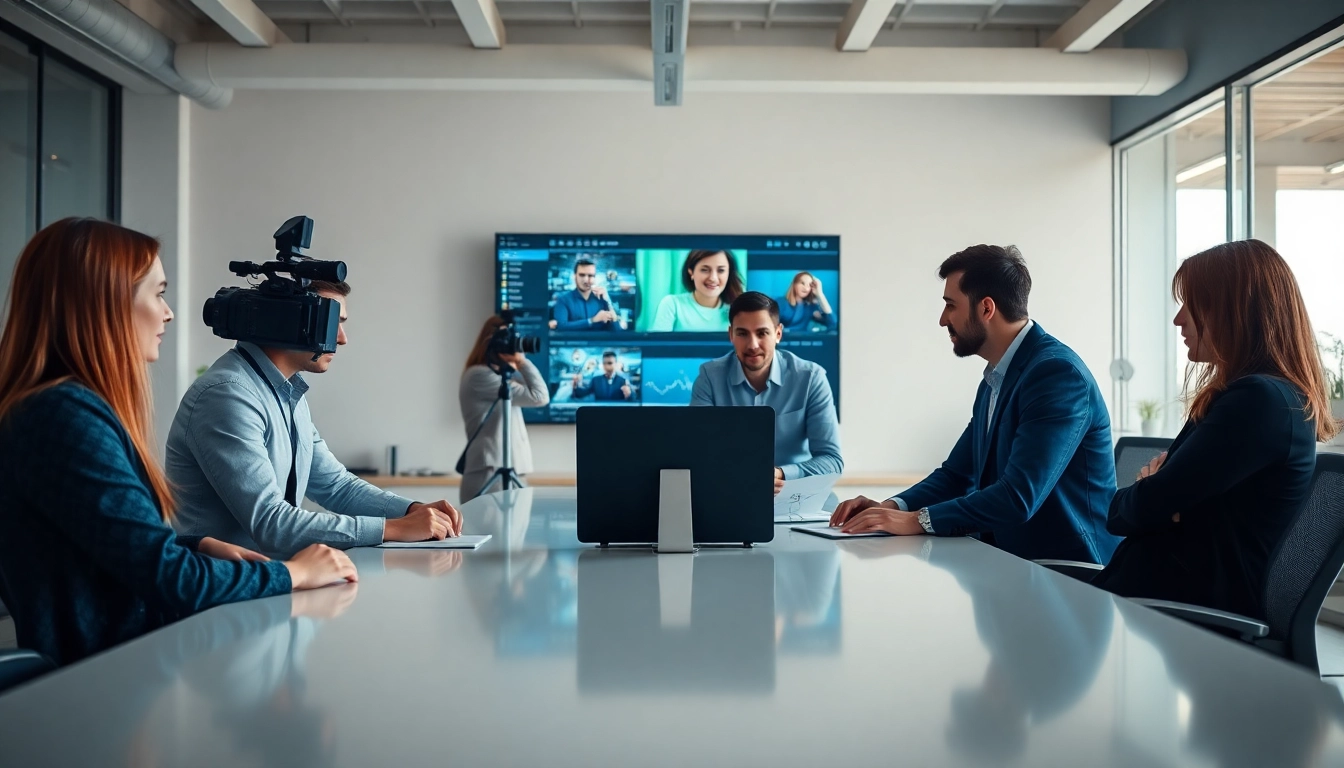
Understanding Corporate Video Production
What is Corporate Video Production?
Corporate video production refers to the creation of video content tailored for a company or organization, primarily for promotional or instructional purposes. These videos serve various functions, such as internal communications, marketing materials, training videos, or corporate storytelling. Unlike general entertainment videos, corporate videos focus on delivering specific messages that align with the business objectives of the organization. They can range from short promotional clips to longer documentaries, showcasing company values, culture, or brand initiatives.
Importance of Corporate Video Production
In today’s digital landscape, the significance of corporate video production cannot be overstated. Video content has been shown to engage audiences more effectively than static images or text, largely due to its visual appeal and ease of consumption. A well-crafted corporate video can:
- Enhance brand visibility and recognition.
- Efficiently convey complex information in an engaging format.
- Boost audience engagement and shareability across social platforms.
- Serve as a powerful tool for training and onboarding new employees.
- Strengthen relationships with stakeholders and clients.
Using corporate video production strategically can lead to enhanced customer loyalty and a stronger market presence.
Types of Corporate Video Production
There are several types of corporate videos, each tailored for specific objectives. Understanding these can help businesses choose the right approach for their needs:
- Promotional Videos: These videos are designed to highlight products or services, aiming to attract new customers.
- Training Videos: Focusing on educating employees, these videos provide valuable information on processes, products, and company policies.
- Company Culture Videos: Showcasing the workplace environment, these videos are useful for recruitment and PR, illustrating the company’s values and culture.
- Event Coverage: Documenting company events, conferences, or trade shows can help expand the reach and impact of these gatherings.
- Testimonial Videos: Featuring satisfied customers or employees, these aim to build trust and credibility for the brand.
Key Steps in Creating Corporate Video Production
Pre-Production Planning
Good corporate video production begins long before the cameras start rolling. The pre-production phase is critical for ensuring that the final product meets its objectives. This involves:
- Defining the Purpose: Establish the primary goal of the video, whether it’s for marketing, training, or internal communication.
- Identifying Your Target Audience: Understanding who the video is intended for will shape the content, tone, and style.
- Writing a Script: Create a detailed script that outlines the narrative flow, key messages, and visual elements.
- Storyboarding: Develop a storyboard to visualize the shots and sequences, aiding in the production process.
- Budgeting: Allocate resources effectively for equipment, talent, location rentals, and post-production.
- Scheduling: Plan the shooting calendar, considering factors such as availability of talent and location constraints.
Production Techniques and Equipment
The production phase encompasses the actual filming of the video. This stage requires careful attention to detail and the use of high-quality equipment to ensure professional results. Key elements to consider include:
- Camera Equipment: Invest in cameras that can shoot in high definitions, such as 4K, to ensure clarity and quality.
- Lighting: Proper lighting is essential for maintaining a professional look; consider using key lights, fill lights, and backlights.
- Audio Quality: Using microphones and audio equipment to capture clear sound is as important as visuals.
- Directing: A skilled director can guide the narrative and help convey the intended message effectively.
- On-Location Management: Ensure that all logistical details are handled, such as permissions and settings, to facilitate a smooth shooting process.
Post-Production Essentials
After filming concludes, the post-production phase starts, which involves editing the footage, sound design, and final production. Essential steps include:
- Video Editing: Using editing software. Cut unnecessary footage to create a cohesive narrative.
- Sound Design: Incorporate background music, sound effects, and voiceovers to enhance the viewing experience.
- Color Grading: Adjust color settings to maintain a consistent visual tone that aligns with branding.
- Visual Effects: Add graphics, text overlays, or animations that complement the narrative.
- Feedback and Revisions: Gather feedback from stakeholders and make necessary revisions to ensure satisfaction and alignment with objectives.
Best Practices for Corporate Video Production
Effective Storytelling Techniques
At the heart of any compelling corporate video lies a strong narrative. Effective storytelling can connect with audiences emotionally, making the video’s message more impactful. Consider the following techniques:
- Human Connection: Showcase real people and their experiences associated with your brand, whether they are employees or customers.
- Building a Narrative Arc: Introduce a problem or challenge, present the solution your company provides, and conclude with a resolution.
- Visual Engagement: Employ strong visuals and graphics to illustrate points and maintain viewer interest.
- Call to Action: Conclude with a clear call to action that guides viewers on what to do next.
Optimizing for Different Platforms
Corporate videos should be tailored for the platforms where they will be shared, as each platform has unique characteristics and audience behaviors. Key points include:
- Aspect Ratios: Different platforms have varying requirements for video dimensions, such as wide for YouTube and square for Instagram.
- Length Considerations: Shorter videos tend to perform better on social media, while longer content may be more acceptable on platforms like LinkedIn.
- Engaging Thumbnails: Create eye-catching thumbnails that encourage clicks and engagement.
- SEO Optimization: Use relevant keywords, tags, and descriptions to enhance visibility on search engines.
A/B Testing for Engagement
A/B testing allows businesses to assess the effectiveness of different video content strategies. By comparing two versions of a video, companies can determine which resonates more with their audience. Key elements include:
- Content Variations: Test different messages, lengths, or styles to see which performs better in terms of engagement and conversion rates.
- Distribution Testing: Analyze which platforms or times yield the highest engagement or conversions.
- Performance Metrics: Use analytics tools to measure viewer retention, click-through rates, and overall engagement.
Measuring Success in Corporate Video Production
Key Performance Indicators (KPIs)
Measuring the success of corporate video production involves defining and tracking specific KPIs that align with the video’s objectives. Common KPIs include:
- View Count: The total number of times the video has been viewed is a basic yet vital metric.
- Engagement Rate: Assess the interactions such as likes, shares, and comments relative to total views.
- Conversion Rate: Measure how many viewers took a desired action following the video, like signing up or making a purchase.
- Audience Retention: Track how long viewers watched the video to identify drop-off points.
Tools for Measuring Impact
Various tools are available to help businesses measure the impact of their corporate videos, including:
- Google Analytics: Provides insights on traffic and behavior patterns in relation to video performance on websites.
- Social Media Analytics: Platforms like Facebook, YouTube, and Instagram offer built-in analytics to track viewer interactions.
- Video Hosting Platforms: Services like Wistia and Vimeo provide detailed viewer analytics, including engagement metrics.
Analyzing Audience Feedback
Understanding feedback from the audience is crucial for improving future video content. Mechanisms to gather insights include:
- Surveys and Polls: Conduct post-viewing surveys to receive direct feedback on content effectiveness and viewer sentiment.
- Comments and Reviews: Monitor viewer comments on video platforms and social media for organic feedback.
- Focus Groups: Gathering a group of target audience members for feedback can provide qualitative insights into viewer preferences.
FAQs About Corporate Video Production
How long does a typical corporate video production take?
The timeline for corporate video production varies based on complexity; typically, it may take from a few weeks to several months, including pre-production, filming, and post-production stages.
What budget should I allocate for corporate video production?
Budgets can range widely, from a few thousand dollars for simple projects to tens of thousands for high-production-value videos with advanced elements. It’s vital to define your goals to set an appropriate budget.
Which platforms are best for sharing corporate videos?
The choice of platforms largely depends on your audience. Popular options include YouTube, LinkedIn, Facebook, and Instagram. Consider your target demographic when selecting where to share your video.
How can I ensure my corporate video reaches the right audience?
Research and understand your audience, use targeted advertising, optimize for search engines, and engage with your viewers on social media to ensure the video reaches the intended demographic.
What are common mistakes to avoid in corporate video production?
Common pitfalls include neglecting audience research, poor scripting or unclear messaging, inadequate lighting or sound quality, and failing to optimize videos for the platforms on which they’ll be shared. Addressing these early is crucial for success.