
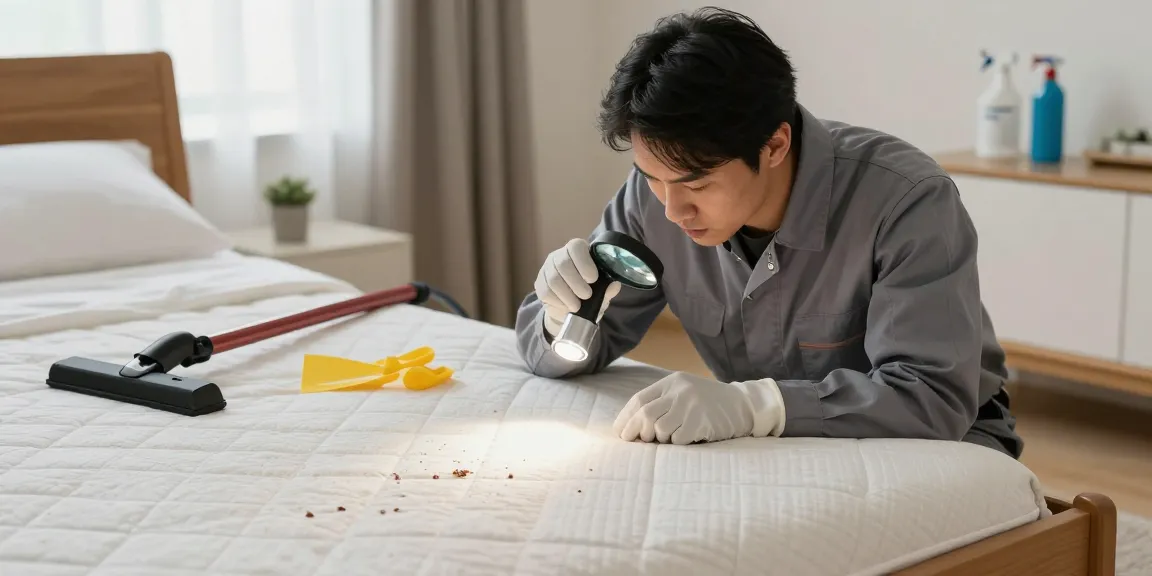
Understanding Bed Bug Control
Bed bugs have become a common nuisance in households and commercial spaces, particularly in urban areas where their prevalence has surged in recent years. Understanding how to effectively manage these pests is critical for maintaining a comfortable living or working environment. Striking the right balance between professional intervention and preventive measures can save you time, money, and stress. For comprehensive solutions, bed bug control services are essential to eradicate infestations and prevent their return.
What Are Bed Bugs and Their Behavior?
Bed bugs, scientifically known as Cimex lectularius, are small, parasitic insects that feed on the blood of humans and animals. Typically, these pests are nocturnal, hiding in cracks and crevices during the day and becoming active at night when they feed. Adult bed bugs are about the size of an apple seed, with a flattened body that allows them to fit into tiny spaces. They can survive long periods without feeding, making eradication particularly challenging.
- Travel Habits: Bed bugs are notorious hitchhikers, often traveling with luggage, furniture, and clothing.
- Hiding Spots: They tend to hide in mattress seams, box springs, bed frames, and other dark, secluded areas.
- Reproduction: A single female can lay up to 500 eggs in her lifetime, contributing to rapid population growth.
Signs of Bed Bug Infestation
Identifying a bed bug infestation early is crucial for effective control. Common signs include:
- Itchy Skin Welts: Bed bug bites often manifest as itchy, red welts on the skin, typically in clusters or lines.
- Bloodstains: Tiny blood stains on sheets or mattresses may indicate recent feeding.
- Exoskeletons: As bed bugs molt, they leave behind shed skins that can be found near their hiding places.
Why Professional Bed Bug Control is Important
While DIY solutions may provide temporary relief, they often fail to address the underlying infestation effectively. Professional bed bug control services employ trained technicians who understand the biology and behavior of these pests, ensuring comprehensive treatment that addresses all life stages. Moreover, the use of commercial-grade insecticides and advanced techniques like heat treatment leads to a more lasting solution.
Effective Techniques for Bed Bug Control
Heat Treatment Methods Explained
Heat treatment is one of the most effective methods for eliminating bed bugs and their eggs. This technique involves raising the temperature of the infested area to a lethal level for bed bugs—typically around 120°F (49°C). The advantages of heat treatment include:
- Eco-Friendly: Heat treatment does not involve chemicals, making it safer for households with children and pets.
- Whole-Home Treatment: Heat penetrates furniture and wall voids, ensuring all bed bugs are targeted.
- Speed: This method can often achieve results in a matter of hours, rather than weeks.
Chemical Treatment Options: Pros and Cons
Chemical treatments remain a popular choice due to their effectiveness and ease of application. Various products are available, but it’s essential to choose those specifically formulated for bed bugs. Pros of chemical treatments include:
- Residual Protection: Many chemical sprays provide a lasting barrier that can continue to kill bed bugs for weeks after application.
- Cost-Effective: Typically, chemical treatments are more affordable than comprehensive heat treatments.
However, drawbacks include potential health risks associated with pesticide exposure and the possibility of bed bug resistance developing over time.
Integrated Pest Management Strategies
Integrated pest management (IPM) combines multiple strategies to achieve effective bed bug control. This approach includes:
- Monitoring: Regular inspections of living spaces to catch infestations early.
- Prevention: Educating residents or employees on bed bug prevention tactics.
- Treatment: Using a combination of heat and chemical treatments for optimal results.
DIY Bed Bug Control Strategies
Common Home Remedies That Work
While professional treatment is often best, some homeowners may opt for DIY strategies. Popular remedies include:
- Vacuuming: Regular vacuuming can help to remove bed bugs and their eggs from surfaces.
- Wash and Dry: Washing bedding and clothing in hot water can kill bed bugs and their eggs.
- Steam Cleaning: Using a steam cleaner on surfaces where bed bugs may hide can effectively eradicate them.
Best Practices for Prevention
Preventing bed bugs from entering your home is the first line of defense. Key practices include:
- Regular Inspections: Periodically check your home for signs of bed bugs, especially after travel.
- Luggage Management: Inspect and clean your luggage after traveling to prevent bringing bed bugs home.
- Seal Cracks: Seal any cracks around baseboards, windows, and doors to reduce potential hiding spots.
When to Call a Professional
If you suspect a significant infestation or if DIY methods fail, it’s crucial to contact a professional. Bed bugs are notoriously difficult to eliminate, and expert knowledge can make a substantial difference in achieving a thorough and effective treatment.
Real-World Examples of Successful Bed Bug Control
Case Study: Residential Treatment Success
A recent case involving a family in Milwaukee illustrates the effectiveness of professional intervention. The family experienced multiple itchy bites and was unaware of their infestation until they discovered blood stains on their sheets. After employing the services of Affordable Bed Bug Exterminators, a comprehensive heat treatment was executed, leading to a complete eradication of the pests within hours. Follow-up inspections confirmed the absence of bed bugs, and the family could resume their normal lives without worry.
Commercial Spaces: Bed Bug Control Strategies
For businesses, especially hotels and rental properties, maintaining a bed bug-free environment is crucial for customer satisfaction. A local hotel implemented an IPM strategy that included:
- Regular Staff Training: Employees were educated on identifying bed bugs and the importance of housekeeping protocols.
- Routine Inspections: Monthly inspections were conducted by pest control professionals.
- Immediate Response Plans: A quick response team was established to handle potential infestations promptly.
This proactive approach significantly reduced the incidence of bed bugs in the hotel, enhancing guest experience and protecting revenue.
Lessons Learned from Infestation Cases
Case studies have shown that awareness is key. Many infestations occur due to a lack of knowledge about bed bugs and how they spread. Regular education for staff and residents is vital for prevention, as well as swift action in response to any signs of infestation.
Future Trends in Bed Bug Control
Innovative Technologies in Pest Control
The pest control industry is evolving, with new technologies emerging to enhance effectiveness. Innovations like thermal imaging cameras for detecting bed bugs and K9 inspections for early detection are becoming more popular. These technologies allow for targeted treatments and quicker identification of infestations.
Emerging Research on Bed Bug Resistance
As bed bugs develop resistance to common insecticides, researchers are exploring alternative treatment options and strategies. This includes new formulations that disrupt bed bug reproductive cycles and studies into biological control methods. The emphasis is on developing solutions that maintain effectiveness even as resistance patterns shift.
Predictions for the Future of Pest Management
As urban living continues to rise, so will the prevalence of bed bugs. Pest control professionals will need to stay ahead of the curve by adopting integrated pest management strategies, investing in innovative technologies, and continuously educating clients about preventative measures. This proactive approach is essential for safeguarding homes and businesses against these resilient pests.