Understanding the Role of a New York City Commercial General Contractor
Responsibilities and Services Offered
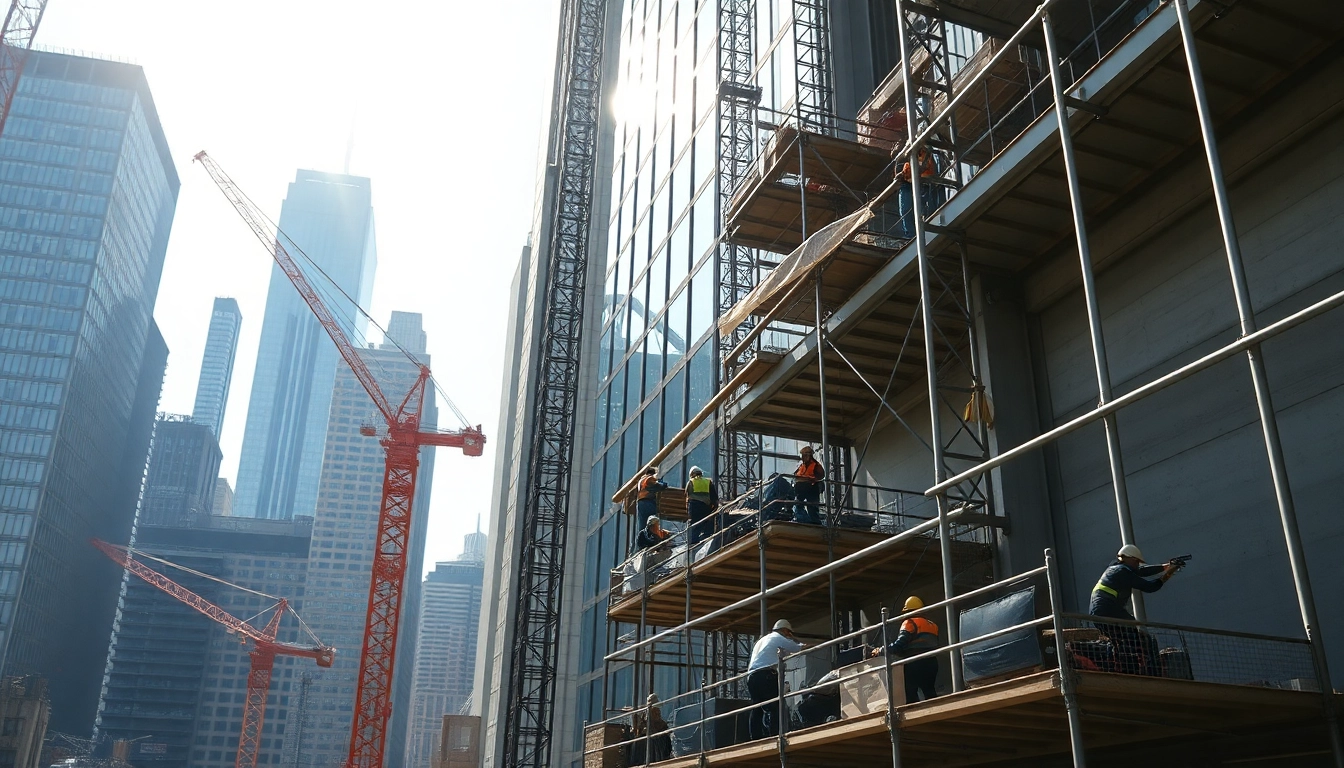
In the bustling environment of New York City, the role of a New York City Commercial General Contractor emerges as crucial in navigating the complexities of commercial construction. These professionals orchestrate various services that are integral to the successful completion of construction projects. Their responsibilities encompass project planning, budgeting, scheduling, and the management of subcontractors.
A general contractor acts as the primary point of contact for clients, ensuring effective communication and alignment of project goals. They are tasked with assessing project requirements, securing necessary permits, and ensuring compliance with local regulations. Furthermore, they oversee the day-to-day operations on-site, ensuring that work progresses as planned and adheres to safety standards.
Services offered by these contractors are extensive. They include site preparation, labor coordination, material procurement, and quality assurance. A successful contractor also implements risk management strategies to mitigate potential setbacks, ensuring projects remain on time and within budget.
Importance in Project Success
The significance of a skilled general contractor in New York City cannot be overstated. Their expertise plays a vital role in transforming a client’s vision into reality. A successful project hinges on clear communication, adept problem-solving, and a thorough understanding of the construction process.
General contractors enhance project success through their ability to provide comprehensive project management. They facilitate collaboration among architects, engineers, and subcontractors, ensuring that all parties are aligned in their efforts. By maintaining a focus on quality control and adherence to schedules, they help in minimizing delays and budget overruns—common pitfalls in construction.
Regulatory Compliance and Industry Standards
Navigating the regulatory landscape is a critical responsibility for New York City commercial general contractors. They must stay abreast of local building codes, safety regulations, and zoning laws. Compliance not only ensures that projects are approved but also enhances safety standards for workers and the public.
In conjunction with regulatory compliance, contractors are tasked with adhering to industry best practices. This includes maintaining certifications, ensuring proper training for workers, and implementing sustainable construction practices. By being proactive about these standards, general contractors contribute to a safer, more efficient construction environment.
Key Trends Shaping Commercial Construction in NYC
Sustainability in Building Practices
The push for sustainability in the construction sector has gained immense momentum, especially in New York City. As the urban landscape evolves, a growing number of projects aim to minimize environmental impact. Sustainable building practices focus on energy efficiency, waste reduction, and the use of eco-friendly materials.
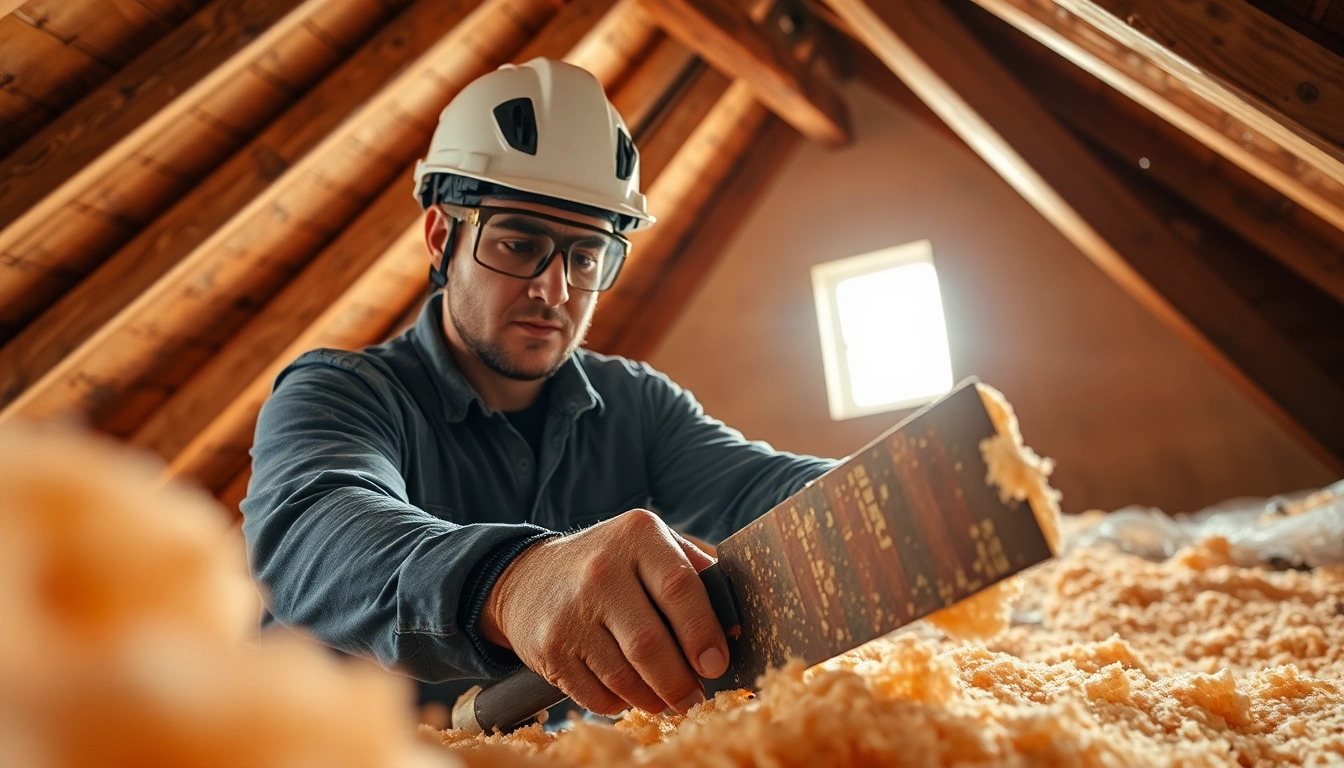
Commercial general contractors are increasingly adopting practices such as green roofs, efficient insulation, and the use of renewable energy sources. These practices not only benefit the environment but also lead to cost savings over time, attracting clients who prioritize sustainability in their project goals.
Smart Technology Integration
As technology continues to advance, smart integrations in construction are becoming standard. From Building Information Modeling (BIM) to drones and project management software, contractors in New York City are leveraging these tools to enhance efficiency and accuracy in building projects.
Smart technology provides real-time data that aids in decision-making and project tracking, enabling contractors to manage resources more effectively. Furthermore, technology can extend to smart buildings that optimize energy consumption and enhance occupant comfort, aligning with modern demands for smarter urban living.
Resilience against Climate Change
With climate change presenting new challenges, resilience in construction is becoming paramount. General contractors are now expected to design and construct buildings that can withstand extreme weather events, ensuring longevity and safety in an unpredictable environment.
This includes the integration of flood-proof designs, the use of durable materials, and advanced drainage systems. As stakeholders become increasingly concerned about climate impact, contractors who prioritize resilience will distinguish themselves in a competitive market.
Challenges Faced by New York City Commercial General Contractors
Labor Shortages and Workforce Development
Labor shortages remain one of the most pressing challenges for New York City commercial general contractors. The demand for skilled labor often outweighs supply, leading to project delays and increased labor costs. Addressing this issue requires strategic workforce development initiatives.
Contractors must engage in training programs, partnerships with local unions, and educational outreach to cultivate a skilled workforce. By investing in workers, they can ensure a reliable labor pool and enhance the overall quality of construction.
Rising Material Costs and Supply Chain Issues
Another formidable challenge is the rising costs of construction materials, compounded by global supply chain disruptions. These economic factors can significantly impact project budgets and schedules, leaving contractors scrambling to stay afloat.
To combat these challenges, general contractors must adopt proactive strategies such as bulk purchasing agreements, diversifying suppliers, and investing in local materials. By being innovative in sourcing and managing materials, they can mitigate cost fluctuations and avoid delays.
Navigating Bureaucratic Hurdles
New York City’s complex bureaucratic landscape presents its own challenges. Navigating permits, inspections, and approvals can be a time-consuming process, often leading to project delays. A robust understanding of local regulations is vital for general contractors.
Successful contractors collaborate closely with city officials and legal advisors to streamline processes and anticipate regulatory changes. Maintaining good relationships with these stakeholders can ease the path to project execution.
Strategies for Successful Project Management
Effective Communication with Stakeholders
Effective communication across all project stakeholders is crucial for a successful outcome. New York City commercial general contractors must foster transparent dialogue among clients, subcontractors, and suppliers to ensure alignment on project goals.
Utilizing technology such as project management software helps keep everyone informed and accountable. Regular meetings and updates can facilitate a collaborative environment, minimizing misunderstandings and enhancing project efficiency.
Leveraging Advanced Project Management Tools
The integration of advanced project management tools has revolutionized how contractors approach their work. With software that tracks timelines, budgets, and resource allocation, contractors can optimize their workflow and enhance transparency.
Tools such as Gantt charts and project dashboards provide visual representation, helping teams stay organized and on task. Automation of menial tasks can increase productivity as well, allowing contractors to focus on more strategic aspects of the project.
Regularly Updating Risk Assessments
In the ever-changing construction environment, regular updates to risk assessments are vital. A proactive approach to risk management enables contractors to identify potential issues before they escalate, allowing for swift interventions.
By employing a comprehensive risk management framework, contractors can adapt to unforeseen challenges, ensuring project milestones are met while maintaining quality and safety standards.
FAQs: Common Questions About New York City Commercial General Contractors
What does a commercial general contractor do?
A commercial general contractor oversees construction projects, ensuring they are completed on time and within budget, managing subcontractors, and maintaining quality standards.
How do I choose the right contractor in NYC?
Look for experience, references, and reviews. Verify their local expertise and consider their previous projects that align with your needs.
What are common challenges contractors face in NYC?
Labor shortages, high material costs, strict regulations, and unpredictable weather are significant challenges for contractors in New York City.
Are NYC commercial contractors required to have licenses?
Yes, commercial contractors in New York City must hold the appropriate licenses, certifications, and insurance to operate legally. Always verify these credentials.
How can I improve project efficiency?
Utilize project management software, maintain clear communication, and implement sustainable practices to enhance efficiency and reduce costs in construction projects.