
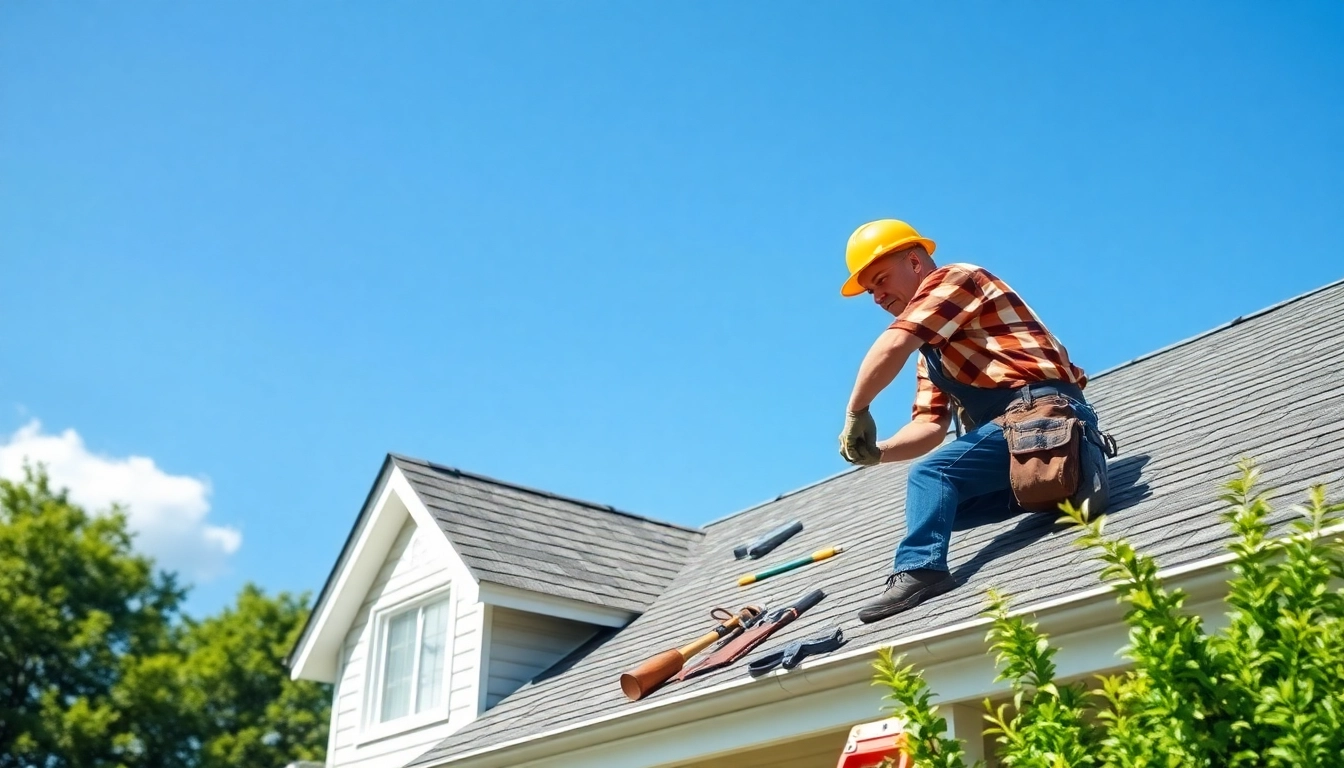
Understanding Roofing Options in South Jersey
If you’re a homeowner or business owner in South jersey, understanding the various roofing options available is essential. The roof is one of the most critical components of any building, protecting it from the elements and contributing to its overall aesthetic appeal. With a diverse range of materials and styles, choosing the right roofing solution can seem daunting, especially given the unique environmental considerations in the region.
Types of Roofing Materials
South Jersey offers a variety of roofing materials that cater to various preferences, budgets, and architectural styles. Here’s an overview of some popular choices:
- Asphalt Shingles: The most common roofing material in the United States due to their affordability, ease of installation, and variety of design options. Asphalt shingles are versatile and suitable for many types of homes.
- Metal Roofing: Gaining popularity for its durability and modern aesthetic. Metal roofs can last up to 50 years and provide excellent resistance against harsh weather conditions.
- Clay and Concrete Tiles: Known for their longevity and energy efficiency, these roofs can withstand severe weather. They are heavier than other materials, requiring strong structural support.
- Slate Roofing: This high-end option is not only beautiful but also incredibly durable. While the material itself can be expensive, its longevity can make it cost-effective in the long run.
- Flat Roofing Materials: Commonly found in commercial buildings, flat roofs can use a variety of materials including modified bitumen, TPO, or EPDM. They require different maintenance compared to sloped roofs.
Residential vs. Commercial Roofing
It’s essential to differentiate between residential and commercial roofing, as each has unique requirements and regulations.
Residential Roofing: Typically involves more aesthetic considerations, as homeowners prioritize curb appeal. Installation is generally straightforward, and skilled contractors can often complete jobs within days.
Commercial Roofing: May involve larger buildings with flat or low-slope roofs. Safety standards are typically stricter, and the costs can vary significantly based on the building’s size and the chosen materials.
Weather Considerations for South Jersey
The climate in South Jersey presents specific challenges for roofing. The region experiences humidity, heavy rain during certain seasons, and occasional snow. Therefore, it’s vital to select a roofing material suited to these weather conditions:
- Water Resistance: Strong materials that can withstand heavy rainfall without leaking are preferred.
- Insulation Quality: Insulating materials can help regulate internal temperatures, leading to energy savings.
- Wind Resistance: Particularly relevant for homes near coastal areas where high winds can be a concern.
Choosing a Roofing Contractor in South Jersey
Finding the right contractor is crucial to ensure that your roofing project is completed to a high standard. A reliable contractor will not only perform the work efficiently but also provide excellent customer service.
Licensing and Insurance Essentials
Verifying that your roofing contractor has the proper licensing and insurance is a fundamental step in the hiring process:
- Licensing: In many states, including New Jersey, roofing contractors must hold licenses to perform work legally.
- Insurance: Make sure your contractor carries liability insurance and workers’ compensation to protect you from potential responsibilities in case of accidents.
Evaluating Contractor Experience
Experience can significantly influence the quality of work. Look for a contractor with years of experience in the South Jersey area, as they will be familiar with local building codes, zoning laws, and climate considerations. Ask for a portfolio of previous projects and check their skill in handling materials specific to your roofing needs.
Customer Testimonials and Reviews
Reputation can provide insights into a contractor’s reliability and quality of work. Check online reviews, ask for references, and inquire about past clients’ experiences. Many contractors also showcase testimonials on their websites, but third-party review sites can offer unbiased opinions.
Additionally, consider asking around your neighborhood for recommendations from friends or family.
Roof Installation Process in South Jersey
Understanding the roof installation process can help you make informed decisions and set realistic expectations for your project.
Preparation and Planning
Successful roof installation begins with thorough planning:
- Initial Assessment: A roofing contractor should inspect your current roof and structure. This assessment identifies damage and helps determine necessary repairs or replacements.
- Material Selection: Together with your contractor, choose the best materials for your project based on your home’s architecture, budget, and environmental factors.
- Timeline and Budget: Discuss the project timeline and create a budget that considers all potential costs, including materials and labor.
Executing the Installation
Once preparations are complete, your contractor will proceed with the installation. Key steps typically include:
- Site Preparation: Protect landscaping and nearby structures to prevent damage during the installation.
- Old Roof Removal: If replacing an existing roof, the current materials must be carefully removed.
- Installing Underlayment: This layer acts as a moisture barrier and is crucial for protecting your home from leaks.
- Material Installation: Finally, the roofing material is installed, starting from the lower edge and moving upwards, ensuring adequate overlap to manage water runoff.
Post-Installation Inspection
After completing the installation, a thorough inspection ensures everything has been done correctly:
- Visual Checks: Inspect the roof visually for any apparent issues, such as uneven materials or insufficient coverage.
- Water Tests: Conduct tests to confirm water drains efficiently and there are no leaks.
- Documentation: Ensure you receive warranties, documentation of materials used, and maintenance guidelines from your contractor.
Maintenance Tips for South Jersey Roofs
Maintaining your roof is crucial for its longevity and effectiveness. Here are essential maintenance tips specific to South Jersey.
Seasonal Maintenance Checklists
Each season brings unique challenges for roofing in South Jersey. Create a seasonal checklist to help manage the upkeep:
- Spring: Clear gutters and check for winter damage.
- Summer: Inspect for any heat-related damage and remove any debris.
- Fall: Clean leaves from gutters and inspect for damage after storms.
- Winter: Monitor for ice dams and ensure proper attic insulation.
Common Issues and Repairs
Inevitably, roofs will face wear and tear over their lifetime. Here’s how to address some common issues:
- Leaky Roofs: Identify the source and patch it immediately to prevent further damage.
- Missing Shingles: Replacing them promptly can prevent water infiltration.
- Mold and Mildew: Clean affected areas and ensure proper ventilation to reduce humidity.
Extending Roof Lifespan
To get the most out of your roof, consider the following tips:
- Regular Inspections: Invest in regular professional inspections to catch problems early.
- Maintain Gutters: Clean gutters regularly to prevent water backing up.
- Proper Insulation: Keep your attic insulated to prevent overheating, which leads to roof damage.
FAQs about Roofing in South Jersey
What are common roofing materials used in South Jersey?
Common materials include asphalt shingles, metal, and slate, each suited for varying styles and budgets.
How often should I maintain my roof?
Regular maintenance should occur at least twice a year, ideally before spring and fall seasons.
What signs indicate I need a roof replacement?
Look for missing shingles, leaks, and significant wear; these can signal the need for replacement.
Can I install a roof myself?
DIY roofing is challenging and risky; professional installation ensures safety and quality.
What is the average cost of roofing in South Jersey?
Costs vary widely based on material and size; expect to pay between $5,000 and $15,000 for a full replacement.