
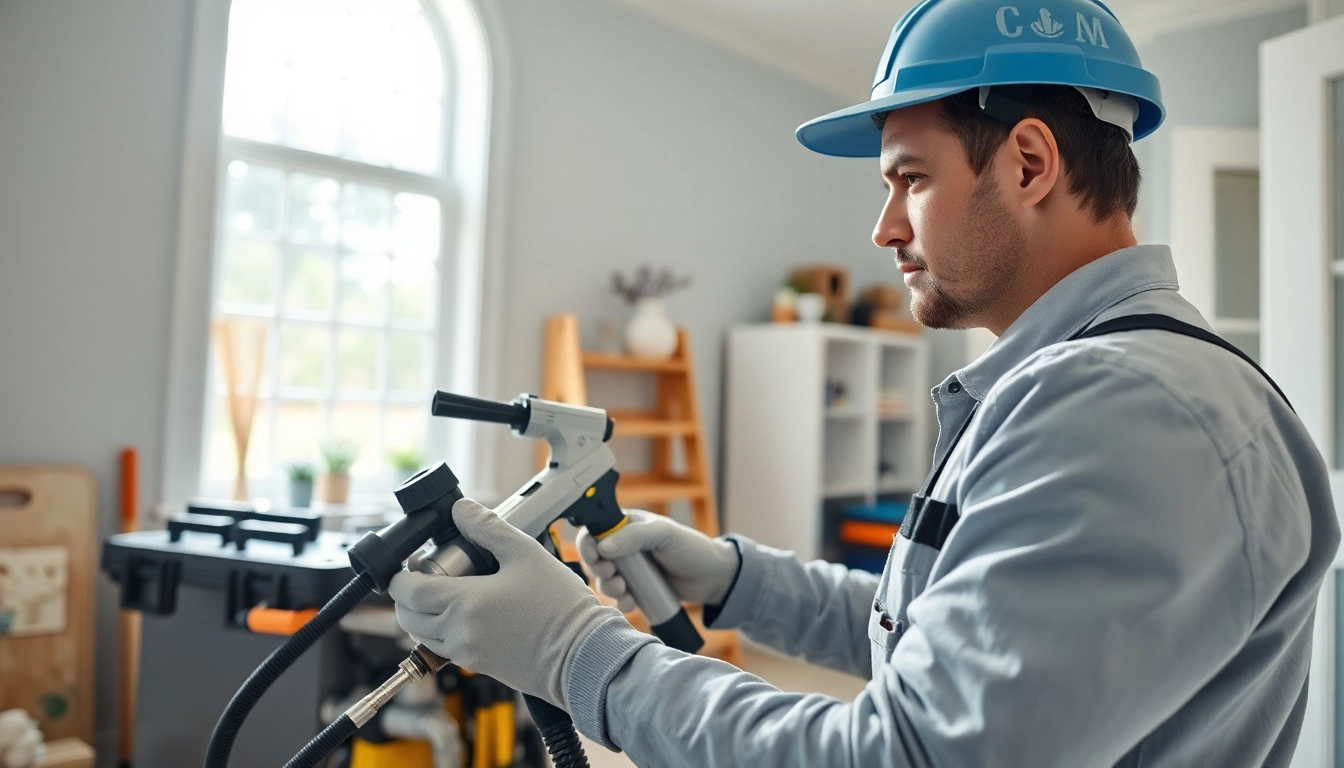
Understanding Spray Foam Removal London
As homeowners and contractors alike become more aware of insulation options, spray foam insulation has gained popularity due to its energy efficiency and air-tight sealing properties. However, there are times when removing this material becomes necessary. Understanding the spray foam removal London process is crucial for ensuring that your space remains safe, clean, and energy-efficient.
What is Spray Foam Insulation?
Spray foam insulation is a popular material made from polyurethane and other chemicals that expand on application. It creates a seamless barrier, preventing air leaks and improving energy efficiency. Commonly used in residential and commercial buildings, spray foam insulation comes in two types: open-cell and closed-cell. Open-cell foam is softer and less dense, often used in interior applications, while closed-cell foam is denser and provides a waterproof barrier, suitable for exterior use and areas with higher moisture content.
Why Remove Spray Foam?
There are several reasons why one might consider removing spray foam insulation. Over time, it can degrade, lose its effectiveness, or even harbor mold and mildew. Additionally, if renovations are planned that involve structural changes, the insulation may need to be removed to allow access to underlying structures or electrical wiring. Lastly, in some cases, improper installation can lead to trapped moisture, which can cause further damage to the building materials. Understanding these triggers can help homeowners make informed decisions regarding the insulation of their properties.
Common Challenges During Removal
Removing spray foam insulation poses unique challenges. For one, the adhesive quality of spray foam can make it difficult to detach from surfaces without damaging them. Furthermore, the potential for release of harmful chemicals during removal complicates the process, necessitating proper safety measures. Additionally, dust and debris generated during removal can harm occupants and complicate the cleanup process. Understanding these challenges is vital for anyone contemplating DIY removal versus hiring professionals.
Preparation Before Spray Foam Removal
Proper preparation is fundamental to successful spray foam removal. This not only involves physical readiness but also thorough assessment and safety planning.
Assessing the Area
Before initiating the removal process, conducting a careful assessment of the area is crucial. Identify locations where spray foam is installed and evaluate its condition. Look for signs of damage, air leaks, or moisture issues, which may inform whether removal is necessary. Documenting these findings will provide a clear picture of what needs to be done and help in developing a removal strategy.
Gathering Necessary Tools
Having the right tools can simplify spray foam removal. Some essential tools include:
- Utility knife or oscillating tool for cutting through foam
- Scrapers for gently prying off foam from surfaces
- Protective gear such as gloves, masks, and goggles
- Vacuum to collect debris and dust
Ensuring that all necessary tools are on hand will streamline the removal process, minimizing interruptions.
Safety Precautions to Consider
Safety should always be a top priority. Exposure to spray foam chemicals can pose health risks, such as respiratory issues and skin irritation. Therefore, wearing appropriate personal protective equipment (PPE) is essential. This includes gloves, goggles, and respirators to avoid inhaling any fumes released during removal. Additionally, ensure proper ventilation in the workspace to minimize the effects of any airborne toxins.
Effective Techniques for Spray Foam Removal
Several tried and tested techniques can be employed to safely and effectively remove spray foam insulation. These methods vary based on the specific project requirements and the condition of the spray foam.
Mechanical Removal Methods
Mechanical removal is often the most straightforward approach. This involves using tools such as utility knives or oscillating saws to cut and pry the foam away from surfaces. While effective, this method requires steady hands and patience to avoid damaging the underlying material. For larger areas or thicker foam applications, power tools can expedite the process but may increase risks if not handled properly.
Chemical Solutions and Their Uses
In some scenarios, chemical solutions can be a viable option for removing spray foam. Commercial spray foam removers are available that are formulated to dissolve the foam without harming underlying materials. However, it is critical to follow the manufacturer’s instructions carefully and ensure that the area is adequately ventilated during application to mitigate health risks.
Best Practices for All Techniques
Regardless of the method chosen, certain best practices should always be observed:
- Test a small area first to avoid unwanted damage
- Work systematically to maintain control over the process
- Keep the workspace clean to avoid hazards
- Dispose of foam waste responsibly, following local regulations
Aftercare and Cleanup Post Removal
The task doesn’t end with foam removal; proper aftercare is essential for restoring the area to its original condition.
Surface Repair and Finishing Touches
After the removal, inspect the underlying surfaces for any damage that may have occurred during the process. In some cases, repairs may involve patching holes, sanding down rough spots, or repainting surfaces. Paying attention to these details can significantly improve the final appearance and performance of the area.
Disposing of Removed Foam Properly
Responsible disposal of removed spray foam is important for environmental reasons. Many localities have specific guidelines for hazardous waste disposal, especially for products containing chemicals. Ensure that removed foam is wrapped securely and disposed of at designated waste disposal facilities to prevent contamination.
Restoration of Insulation
Once the area is cleaned and repaired, homeowners should consider what insulation to install next. Choosing the right insulation type will depend on the specific needs of the space, including climate considerations and energy efficiency goals. Be it fiberglass, cellulose, or even new spray foam, selecting the right material is critical for long-term performance.
Frequently Asked Questions About Spray Foam Removal London
How long does spray foam removal take?
The time required for spray foam removal can vary based on the area size and the method used. On average, it may take several hours to a few days.
Is spray foam removal hazardous?
Yes, it can be hazardous due to the potential release of harmful chemicals. Proper safety precautions, such as using PPE and ensuring good ventilation, are critical.
Can I do it myself or hire a professional?
While DIY removal is possible, hiring a professional is recommended for complex jobs, as they have the expertise and tools to handle challenges safely.
What are signs that foam needs removal?
Signs include visible damage, mold growth, air leaks, or persistent odors. Conducting a thorough inspection can help identify these issues.
How much does spray foam removal cost?
The cost can vary significantly based on factors like the area size and removal method but typically ranges from a few hundred to several thousand dollars.