Understanding the Importance of a Pergola 3D Planner
In the realm of outdoor design, the integration of digital tools has revolutionized how homeowners envision and execute their landscaping projects. One such transformative tool is the pergola 3d planner. This innovative software enables users to visualize their outdoor spaces in three dimensions, enhancing the design process and ultimately leading to more satisfying results. Whether you are a seasoned designer or a DIY enthusiast, understanding the role and capabilities of a pergola 3D planner is essential in crafting an outdoor oasis that perfectly suits your lifestyle.
What is a Pergola 3D Planner?
A pergola 3D planner is a specialized software tool designed to assist in the design and visualization of pergolas. Unlike traditional, two-dimensional blueprints, 3D planners allow users to create detailed representations of their designs, including dimensions, styles, and orientations that can be adjusted in real time. This technology not only enhances creativity but also enables users to foresee how their pergola will complement their existing outdoor layout.
Benefits of Using a 3D Planning Tool
- Enhanced Visualization: 3D planners provide a realistic view of the project, allowing for immediate corrections and adjustments.
- Accurate Measurements: Users can input precise dimensions, ensuring that the final product fits perfectly within their designated space.
- Style Selection: With a plethora of design options available, users can experiment with different shapes, materials, and colors.
- Cost Estimation: Many planners provide instant estimates based on the selected materials and dimensions, aiding in budget management.
- Customization: Users can personalize their designs to reflect their tastes and preferences, ensuring a unique outdoor structure.
Key Features to Look For in a Planner
When selecting a pergola 3D planner, several key features should be considered:
- User-Friendly Interface: Look for software that is intuitive and easy to navigate, allowing for quick learning and ease of use.
- 3D Visualization Capabilities: The ability to rotate and view designs from various angles enhances understanding and planning.
- Material and Style Libraries: A robust selection of materials and design templates can provide inspiration and options for customization.
- Integration with Other Design Tools: Some planners can integrate with landscaping or deck design software for a more comprehensive approach.
- Export and Share Features: Being able to export designs or share them with contractors is essential for collaboration.
Step-by-Step Guide to Designing Your Pergola
Initial Planning: Setting Your Vision
Before diving into the design process, it’s crucial to envision what you want your pergola to achieve. Consider factors such as:
- Purpose: Will it be a decorative element, a shade provider, or an outdoor living space extension?
- Location: Assess the best position in your garden, considering factors like sunlight and proximity to other features.
- Style: Determine which architectural styles resonate with your home’s aesthetics, such as modern, rustic, or traditional.
Selecting the Right Materials and Styles
Choosing the appropriate materials is vital for both longevity and appearance. Common materials include:
- Wood: Offers a natural look but requires maintenance.
- Vinyl: Durable and low-maintenance, available in various styles.
- Metal: Provides a modern aesthetic and is highly durable but can be more expensive.
Once materials are decided, you’ll need to think about styles. Would you prefer a flat roof, a gabled roof, or perhaps a more intricate design? The choice here will set the tone for the entire outdoor space.
Using the 3D Planner Effectively
Once you’ve established your vision and material preferences, it’s time to utilize the 3D planner:
- Input Dimensions: Start by entering the area where the pergola will be located.
- Select a Base Model: Choose a basic pergola shape from the software’s library.
- Customize: Adjust dimensions, inputs, and materials to suit your specific needs.
- Explore Views: Rotate and view your design from different angles.
- Save and Share: Once satisfied, save your design and share it with contractors for further consultation.
Common Challenges When Using Pergola 3D Planners
Technical Difficulties and Software Glitches
While 3D planning tools offer a wealth of benefits, they can also present challenges. Users may experience software glitches that could impact their design process. It’s advisable to regularly save progress and consider software with good customer support in case issues arise.
Overcoming Design Limitations
Despite their capabilities, some planners have limitations in terms of design complexity. Users may find that highly intricate designs are difficult to replicate accurately. To avoid frustration, start with a basic design and gradually add complexity to ensure the planner can accommodate your vision.
Cost Management and Budgeting Tips
Creating a budget for your pergola project is crucial. Using a 3D planner can aid in estimating costs, but it’s also essential to leave a buffer in your budget for unexpected expenses. Prioritize essential elements first, and consider DIY options where feasible to manage costs effectively.
Real-World Applications of Pergola 3D Planning
Case Studies: Successful Pergola Installations
Many homeowners have successfully utilized 3D planners to create stunning outdoor spaces. For instance, one homeowner in California used a pergola planner to design a custom structure that complemented their patio and garden layout perfectly, enhancing their outdoor living experience.
Customer Testimonials and Feedback
Feedback from users highlights the value of 3D planning tools. Many users appreciate the ease of use, with one user stating, “The 3D planner allowed me to visualize my pergola before installation, which saved me a lot of time and money.”
Innovative Designs Inspired by 3D Planning
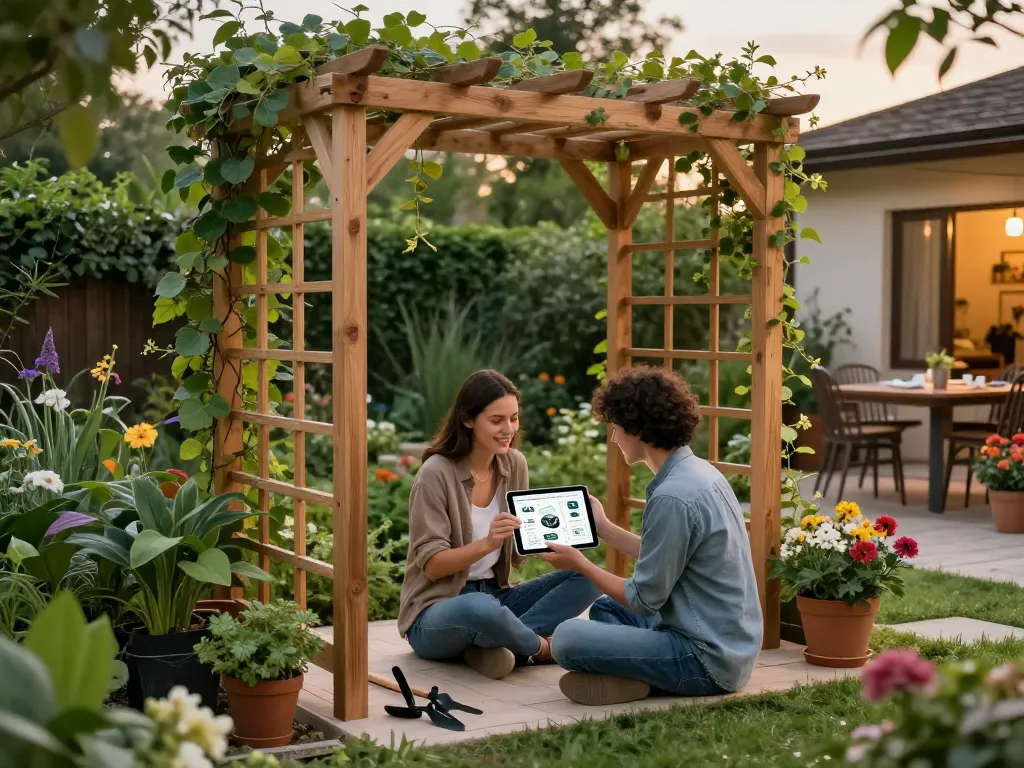
3D planning has led to innovative designs, such as incorporating integrated lighting and climbing plants into pergola structures, which enhance ambiance during evening gatherings. Users are increasingly combining various styles and features, showcasing the versatility of modern design tools.
The Future of Pergola Design: Trends to Watch in 2026
Emerging Technologies in Outdoor Design
As technology advances, software for pergola design continues to evolve. Expect to see features like augmented reality integration, allowing users to visualize designs in their actual spaces through their smartphones or tablets.
Eco-Friendly Materials and Sustainable Practices
Sustainability is becoming a priority in outdoor design. Homeowners are increasingly opting for recycled materials and environmentally friendly construction techniques. This trend not only benefits the planet but often enhances the aesthetic of outdoor spaces.
Personalization and Customization Trends
Homeowners desire unique spaces that reflect their personalities. The future of pergola design will likely focus on customization options, enabling users to select everything from the shape to the finishing touches that resonate with their personal style.
How to Maximize Your Design’s Impact?
To maximize the impact of your pergola design, consider its integration with other outdoor elements. A well-thought-out design incorporates landscaping, furniture, and even lighting to create a cohesive outdoor living area.
What are the best free pergola 3D planner tools?
Some popular free options include Planner 5D and SketchUp, which provide user-friendly interfaces and a variety of design templates to choose from. These tools are excellent for those starting on their design journey without the commitment to paid software.
How does a pergola enhance outdoor living spaces?
A pergola not only adds visual appeal but also extends the functional space of your home, creating a perfect area for relaxation, dining, or entertaining guests. Properly designed, it can provide shade while still allowing sunlight to filter in, enhancing outdoor comfort.
What features should a good pergola planner include?
A good pergola planner should include comprehensive design libraries, easy-to-use customization tools, and the ability to visualize in 3D. Integration with other design elements and detailed material specifications can further enhance its utility.
Are there any limitations to 3D planners?
While 3D planners are incredibly useful, they may not accommodate every design whim, especially complex or avant-garde structures. Additionally, some tools may have a steep learning curve, necessitating time investment for users to become proficient.
How can I share my design with a contractor?
Most 3D planners allow for easy export of designs in various formats. You can save your design as a PDF or image file and share it via email or project management tools, ensuring your contractor has all necessary details to bring your vision to life.