
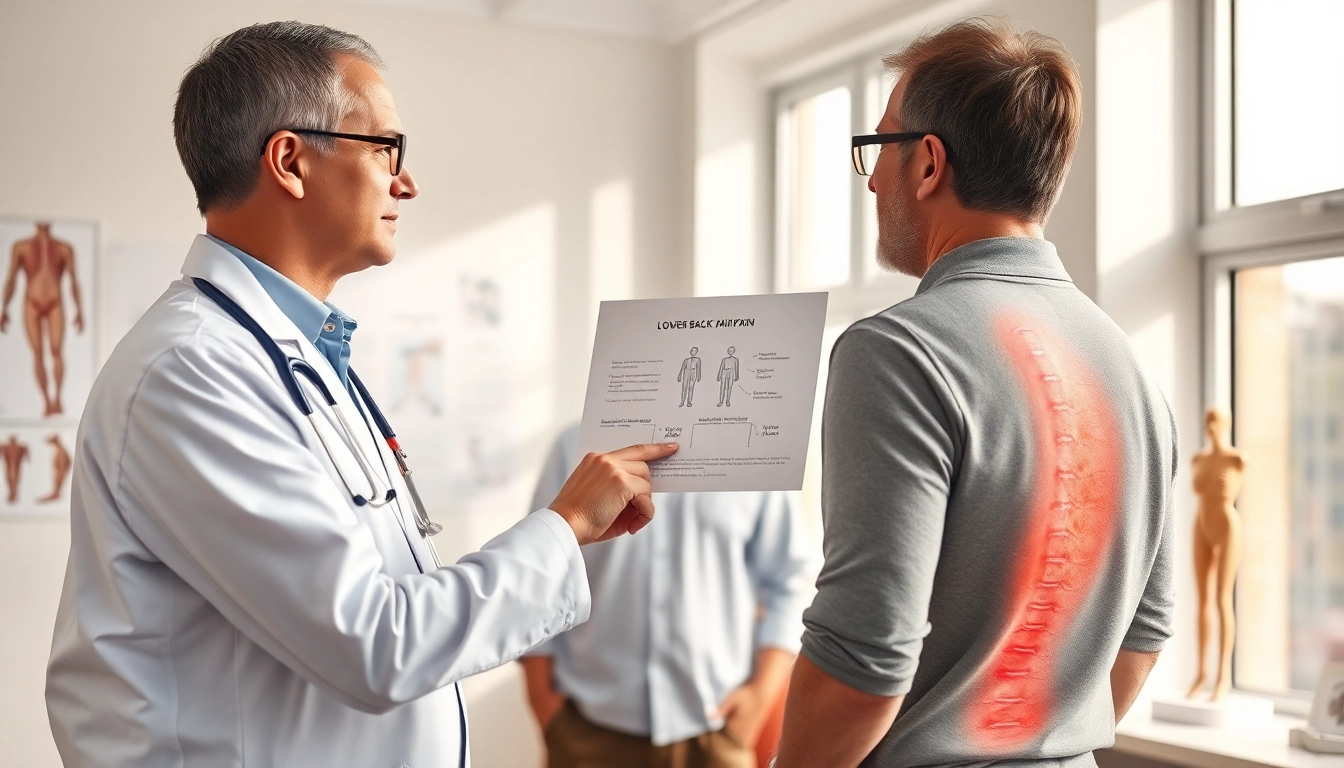
Overview of Lower Back Pain Causes
Lower back pain is a common ailment that affects millions of individuals worldwide. It can arise from a multitude of factors, making it essential to understand the underlying reasons behind this discomfort. By exploring the lower back pain causes, we can take proactive measures toward pain management and prevention.
Common Physical Factors Leading to Pain
Physical factors are among the most direct contributors to lower back pain. Here are some of the common causes:
- Muscle Strains: Sudden movements or lifting heavy objects can lead to muscle strains, where the muscle fibers tear or stretch. This is especially common in individuals who engage in manual labor or exercise without proper technique or precautions.
- Herniated Discs: The intervertebral discs that act as cushions between the vertebrae can degenerate or rupture, leading to herniation. This condition often compresses nearby nerves, resulting in pain that may radiate down the leg.
- Spinal Stenosis: This condition involves the narrowing of the spinal canal due to age-related changes or other factors, leading to pressure on the spinal cord and nerves. Symptoms may include numbness or weakness in the legs.
Impact of Lifestyle Choices
Lifestyle choices significantly impact lower back health. Poor habits can exacerbate or even lead to the onset of pain. Here are some key factors:
- Poor Nutrition: A diet lacking in essential nutrients can lead to obesity, increasing the strain on the lower back. Weight management is crucial to prevent additional stress on the spine.
- Inactivity: Sedentary lifestyles can weaken core muscles, which play a critical role in stabilizing the spine. Regular physical activity can build muscle strength, providing better support for the back.
- Smoking: Tobacco use has been linked to reduced blood flow to the spine, exacerbating existing conditions like disc degeneration.
The Role of Genetics
Genetics can also play a pivotal role in susceptibility to lower back pain. Certain inherited traits can predispose individuals to spinal or musculoskeletal conditions. For example:
- Degenerative Disc Disease: Some people have a genetic predisposition to this condition, leading to earlier aging of the spinal discs and potential pain issues.
- Familial Patterns: A family history of back problems can suggest genetic factors at play, indicating a higher risk for specific conditions that cause pain.
Acute vs. Chronic Lower Back Pain Causes
Understanding the distinction between acute and chronic lower back pain is crucial for appropriate treatment. Each type has unique causes and implications.
Defining Acute Lower Back Pain
Acute lower back pain typically arises suddenly, often due to specific activities. It may last from several days to weeks and often resolves with rest or conservative treatment. Causes include:
- Injury or Trauma: Sudden injuries from slips, falls, or accidents can cause acute pain.
- Muscle Strains or Sprains: Overexertion can lead to immediate soreness and stiffness in the back muscles.
Understanding Chronic Pain Mechanics
Chronic lower back pain lasts for more than three months and often has multiple contributing factors. This can significantly affect quality of life, including:
- Ongoing Health Issues: Conditions like degenerative disc disease or arthritis can lead to prolonged discomfort.
- Psychosocial Factors: Stress, anxiety, and depression can aggravate and prolong chronic pain experiences.
Transitioning from Acute to Chronic Pain
In some cases, an episode of acute pain can transition to chronic pain, particularly if not managed correctly. This transition could occur due to:
- Inadequate Rest or Rehabilitation: Failure to allow proper healing can lead to the persistence of pain.
- Failure to Address Underlying Conditions: If conditions causing acute pain (such as herniated discs) are left untreated, they may contribute to chronic pain development.
Psychological and Emotional Influences on Lower Back Pain Causes
While physical factors are often at the forefront, psychological and emotional health significantly influence lower back pain. Recognizing these connections is essential for comprehensive treatment.
Stress and Its Effects on the Body
Stress is a common trigger for pain, including lower back discomfort. The body responds to stress by tightening muscles, which can lead to tension and chronic pain. Effective stress management techniques can help alleviate this issue.
Emotional Well-being and Pain Perception
Our emotional state can influence how we perceive pain. Individuals with high anxiety or depression may interpret pain differently, often worsening their symptoms. Developing coping strategies can improve overall well-being and pain management.
Strategies for Managing Psychological Pain Factors
Addressing the psychological aspects of lower back pain can be crucial for recovery. Some strategies include:
- Cognitive Behavioral Therapy (CBT): This therapeutic approach can help change unhelpful patterns of thinking and behavior regarding pain.
- Mindfulness Meditation: Practicing mindfulness can reduce psychological stress and improve emotional regulation, positively affecting pain perception.
- Physical Activity: Exercise not only strengthens the body but also releases endorphins, which can elevate mood and reduce the perception of pain.
Preventative Measures for Lower Back Pain Causes
Preventing lower back pain is often more effective than managing it after it occurs. Adequate preventative measures can greatly reduce risk factors.
Ergonomics in Daily Life
Creating an ergonomic environment is paramount. Proper ergonomics can prevent undue stress on the back, especially in work settings. Consider the following:
- Office Setup: Ensure that your workspace promotes good posture. Your chair, desk height, and computer positioning should align to reduce strain.
- Proper Lifting Techniques: Always bend your knees and keep the load close to your body to mitigate the risk of injury when lifting heavy items.
Physical Activity and Strengthening Exercises
Regular physical activity can significantly strengthen back muscles, improving support and preventing pain. Incorporating activities such as:
- Strength Training: Focus on core strengthening exercises to support spinal health.
- Flexibility Routines: Stretching exercises can improve flexibility and reduce tension in the back muscles.
Importance of Proper Posture
Maintaining proper posture whether sitting, standing, or moving can greatly influence back health. Here are some tips:
- Sitting Posture: Keep your feet flat on the ground, back straight, and shoulders relaxed when seated.
- Standing Posture: Distribute your weight evenly between both feet, and use supportive footwear to reduce strain.
Seeking Help for Lower Back Pain Causes
Recognizing when to seek help for lower back pain is crucial. Early intervention can prevent further complications and enhance recovery.
When to Consult a Healthcare Professional
While minor pain can be treated at home, there are certain signs that indicate the need for professional evaluation:
- If pain persists for more than a few weeks.
- If pain worsens or becomes increasingly debilitating.
- Accompanied symptoms such as numbness, weakness in the legs, or unexplained weight loss.
Types of Treatments Available
Treatment options for lower back pain vary depending on the underlying cause. Common approaches include:
- Physical Therapy: Tailored exercise programs can help strengthen muscles and improve movement.
- Medications: Over-the-counter pain relievers or prescription medications can assist in managing pain and inflammation.
- Surgery: In cases of severe conditions, surgical interventions may be necessary to relieve pressure on nerves or repair structural issues.
Successful Management and Recovery Stories
Many individuals have successfully overcome lower back pain through a combination of medical intervention, lifestyle changes, and psychological support. These stories can offer hope and direction for others facing similar challenges.
Frequently Asked Questions
What are the primary physical causes of lower back pain?
Common physical causes include muscle strains, herniated discs, and spinal stenosis. These conditions can result from overexertion, inappropriate lifting, or age-related changes in the spine.
How does lifestyle affect lower back pain causes?
Poor diet, sedentary behavior, and lack of exercise contribute to lower back pain. Maintaining a healthy weight and regular physical activity can help reduce these risks.
What role does genetics play in lower back pain?
Genetics can predispose individuals to conditions affecting the spine, such as degenerative disc disease, which may increase the likelihood of experiencing lower back pain.
At what point should I see a doctor for lower back pain?
If back pain persists beyond a few weeks, worsens, or is accompanied by other symptoms like numbness, it’s essential to seek medical advice to determine underlying causes.
What can I do to prevent lower back pain?
To prevent lower back pain, focus on maintaining good posture, staying active, and using ergonomic furniture. Regular stretching and strengthening exercises can also be beneficial.