
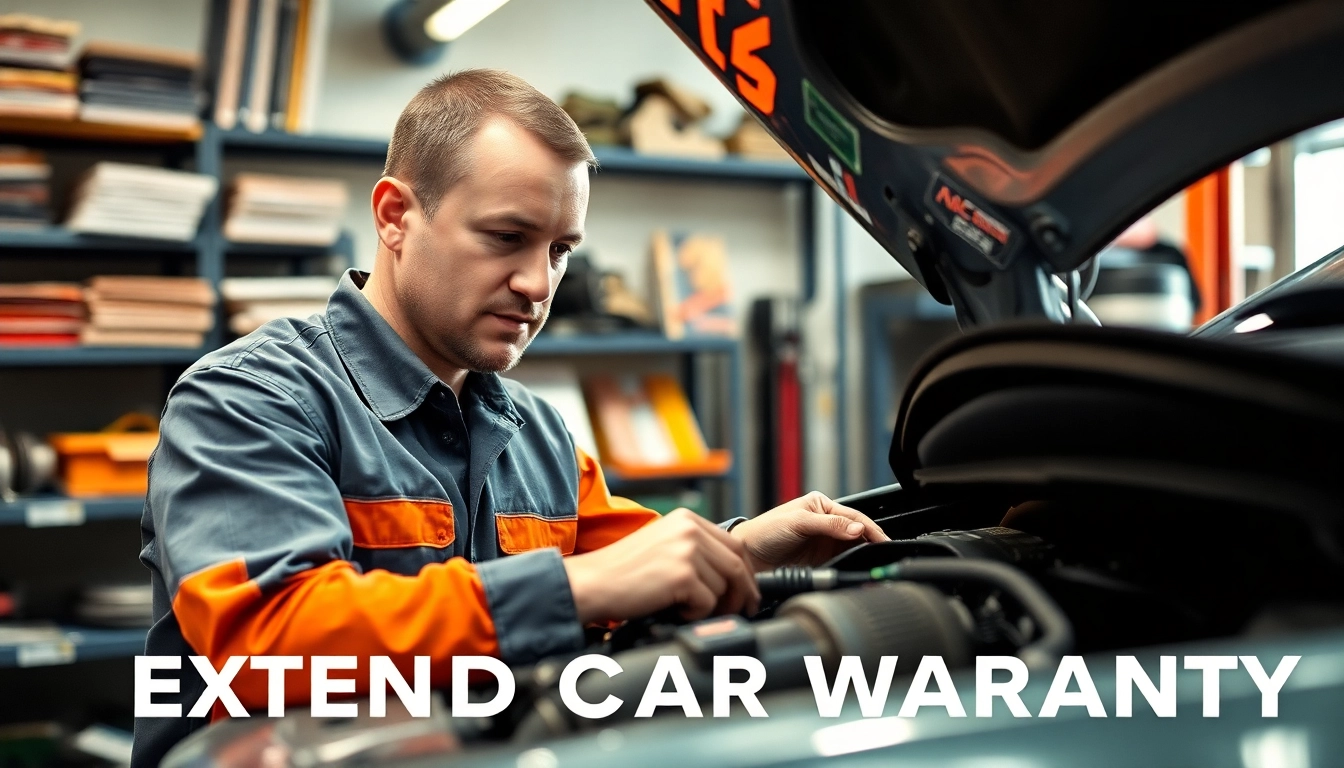
Understanding Extended Car Warranty
What is an Extended Car Warranty?
An extended car warranty is a service agreement that covers certain repairs and breakdowns after the original manufacturer’s warranty has expired. While the base warranty typically covers new vehicles for a specific period or mileage, an extended car warranty provides additional protection, helping car owners maintain peace of mind against unexpected repair costs. This type of warranty can vary widely in terms of coverage, duration, and price. Many consumers consider an extended car warranty essential for electrical or mechanical failures, especially for older vehicles or those reaching higher mileage.
How Extended Car Warranty Works
Extended car warranties essentially bridge the gap between the initial coverage provided by the manufacturer and the out-of-pocket costs of repairs that accumulate as your vehicle ages. When a vehicle owner purchases this warranty, they pay either a one-time fee or opt for an installment plan. In return, the warranty covers specific repairs based on its terms and conditions.
Understanding how these warranties work is crucial. When facing a breakdown or mechanical issue, the vehicle owner typically contacts the warranty provider. If the problem is covered, the warranty will directly pay or reimburse the costs related to the repair service, deductibles may apply depending on the coverage agreement.
Key Benefits of Extended Car Warranty
- Financial Protection: Prevents unexpected repair bills that may arise after the manufacturer’s warranty expires, helping maintain your budget.
- Enhanced Resale Value: Having an active extended car warranty can make your vehicle more appealing to potential buyers, acting as a reassurance against future repairs.
- Peace of Mind: Knowing you have protection against potential mechanical failures lets you drive with confidence.
- Convenience: Many extended warranties offer additional services like roadside assistance, which can be invaluable in emergencies.
Choosing the Right Extended Car Warranty
Factors to Consider When Selecting
Selecting the right extended car warranty requires careful consideration of various factors that will influence its value and efficacy over time. Here are critical aspects to evaluate:
- Vehicle Age and Condition: Newer cars often require less coverage, while older models may benefit from comprehensive protection.
- Driving Habits: If you frequently take long trips or have a long commute, investing in a robust warranty can provide additional protection.
- Manufacturer Reputation: Some manufacturers might have better reliability ratings, which can influence the need for an extended warranty.
- Warranty Provider Reputation: Choose providers with good customer service ratings and transparent claims processes.
Understanding Coverage Options
When diving into various extended car warranties, understanding coverage options is key. They typically fall into three primary categories:
- Powertrain Coverage: This core coverage protects major components such as the engine and transmission, suitable for buyers on a budget.
- Bumper-to-Bumper Coverage: Offers broad coverage similar to that of a new car warranty and protects most mechanical and electronic components.
- Specific Component Coverage: Some warranties focus on specific parts; they’re great if you’re primarily concerned about particular issues known to affect your vehicle model.
Evaluating Costs vs. Benefits
Assessing the overall costs of an extended car warranty against its benefits is essential for making an informed decision. Several factors come into play, including:
- Premiums: The upfront cost of the warranty will vary based on the vehicle type, the level of coverage, and the provider. It’s crucial to analyze whether this investment is justified by potential repair costs.
- Deductibles: Understand the deductibles that will apply when you file a claim, as this can significantly affect your out-of-pocket expenses during repairs.
- Repair Trends: Research common issues related to your specific car model—if it has a track record of major repairs, an extended warranty is likely beneficial.
Common Misconceptions About Extended Car Warranty
Myths vs. Facts
Numerous misconceptions surround extended car warranties, which can cloud judgment when deciding whether to purchase one. Here are common myths and the corresponding facts:
- Myth: Extended warranties are a waste of money.
- Fact: For many vehicles, particularly older models or those with prone repair issues, an extended warranty can be a lifeline against steep repair costs.
- Myth: All extended car warranties cover the same repairs.
- Fact: Coverage varies significantly; it’s vital to read the fine print to understand what is and isn’t included.
Why They Are Essential
As vehicles modernize with advanced technology, their repair costs have risen substantially. Extended car warranties provide essential coverage, protecting against the financial burden of repairs on complex systems, including electronics and hybrid components. Moreover, they can enhance vehicle longevity by ensuring timely repairs are made, thus preventing minor issues from escalating into costly, extensive repairs.
Real-Life Scenarios
Consider these scenarios illustrating the value of an extended car warranty:
- A vehicle owner faced a $2,000 repair bill after their transmission failed. Thanks to their extended car warranty, they paid only a $200 deductible, saving $1,800.
- Another owner, unaware of their car’s susceptibility to electronic failures, incurred numerous out-of-pocket costs for repairs. Had they purchased an extended warranty that included electronic components under coverage, they could have saved thousands.
How to File a Claim on Your Extended Car Warranty
Step-by-Step Claim Process
Filing a claim on an extended car warranty requires careful adherence to the specific processes established by the warranty provider. Here’s a general step-by-step guide:
- Contact the Warranty Provider: Initiate the claim process by contacting the warranty provider’s support line or using their online portal.
- Detail the Issue: Provide clear details regarding the issue you are experiencing with your vehicle to facilitate a swift claim approval.
- Visit an Approved Repair Facility: Many warranties require that you use a specific network of repair shops for coverage to apply.
- Submit Required Documentation: Prepare and submit any necessary documentation, such as repair estimates and your warranty information.
- Review Claim Confirmation: Once processed, review the confirmation of your claim to ensure payment or reimbursement details are accurate.
Documents Required for Filing
To ensure a smooth claim process, be prepared to gather and submit the following documents:
- Your extended car warranty contract and any endorsements.
- Repair estimates and invoices from the service provider.
- Diagnostic reports detailing the issues diagnosed by the technician.
- Proof of previous maintenance, if required by your warranty provider.
What to Expect After Filing a Claim
After filing your claim, the warranty provider will typically process the claim within specified timelines—ranging from a few hours to several days. You may receive communication regarding the status of your claim, including requests for additional information. If approved, you’ll be notified of the coverage details and any deductibles. Ensure to maintain communication throughout this period, particularly if there are unexpected delays or complications.
Frequently Asked Questions About Extended Car Warranty
What’s covered under an extended car warranty?
Coverage varies, but it typically includes major mechanical parts, such as the engine, transmission, and electrical components. Always check the specific terms of your warranty for details.
Can I transfer my extended car warranty?
Most extended car warranties are transferable, which can enhance your vehicle’s resale value. Confirm transfer terms with your warranty provider.
How do I know if I need an extended car warranty?
If your vehicle is older or has a history of reliability issues, an extended warranty may be wise. Evaluate potential repair costs versus warranty premiums.
Are there limits to an extended car warranty?
Yes, extended warranties have coverage limits, deductibles, and exclusions. Always read the warranty agreement carefully to understand these specifics.
Can I purchase extended car warranty anytime?
Generally, you can purchase an extended car warranty before the original warranty expires and, in some cases, during scheduled service appointments. Verify eligibility with the provider.