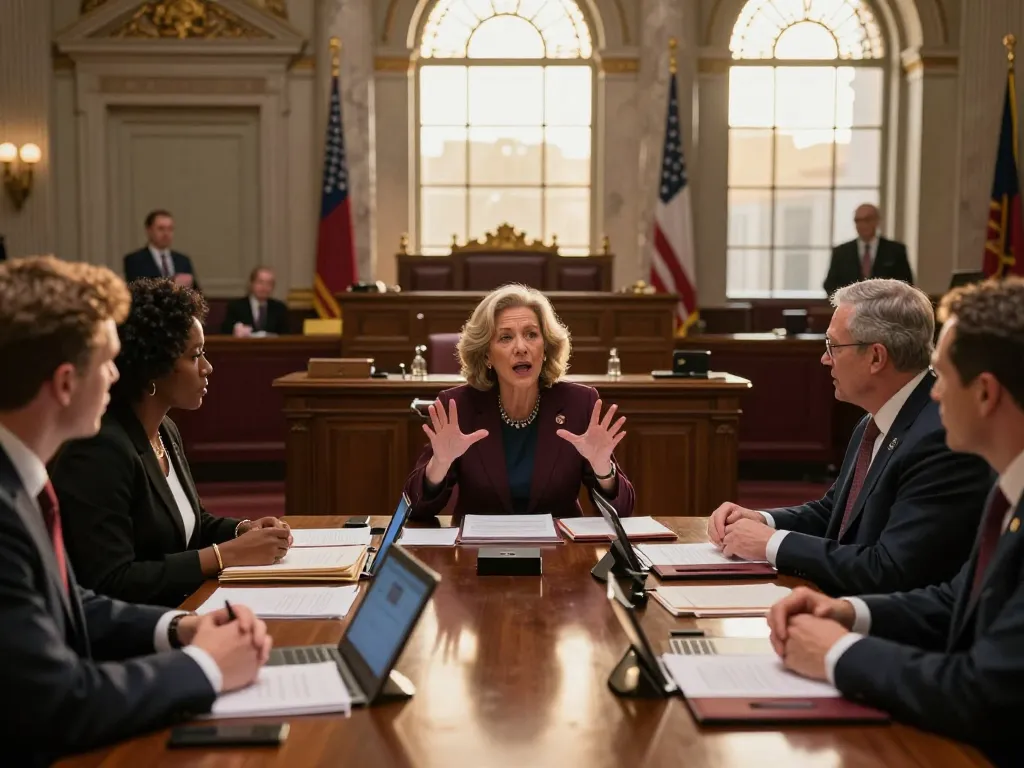

Introduction to Federal and State contracts and grants
Definition and importance
Federal and State contracts and grants are vital instruments used by government entities to facilitate development, innovation, and service delivery across various sectors. They represent legal agreements that outline the terms of funding allocations, ensuring that taxpayer dollars are utilized efficiently. These financial mechanisms not only support public and community projects but also empower businesses, especially small to medium-sized enterprises, to contribute to national and local needs.
In many cases, Federal and State contracts and grants provide essential resources for research and development, infrastructure projects, disaster relief, educational programs, and much more. Recognizing their importance helps stakeholders navigate the opportunities they present and fosters improved economic and social welfare outcomes.
Types of contracts and grants available
Understanding the various types of contracts and grants is crucial for potential applicants. Generally, these can be categorized into two main types:
- Contracts: These are legally binding agreements between the government and a business or individual. Contracts typically follow a competitive bidding process, and the funds are awarded in exchange for specific goods or services. Common types include fixed-price contracts, cost-reimbursement contracts, and time-and-materials contracts.
- Grants: Unlike contracts, grants are non-repayable funds awarded for specific purposes. They are often utilized to support projects that address community needs, conduct research, or foster innovation. Grants can be categorized as discretionary or non-discretionary, depending on the allocation process.
Eligibility criteria for applications
Eligibility criteria for accessing Federal and State contracts and grants vary widely based on funding sources, program goals, and the nature of the proposed project. Generally, eligibility factors include:
- The type of organization (e.g., non-profits, educational institutions, small businesses, etc.)
- Geographical location, which may align with specific regional initiatives
- Financial stability and capacity to manage awarded funds
- Past performance and experience in similar projects
- Compliance with federal and state regulations and policies
Understanding these criteria is essential for successful applications, as they can greatly influence funding opportunities.
Navigating the Application Process
Steps to apply for Federal and State contracts and grants
The application process for Federal and State contracts and grants requires careful planning and adherence to specific guidelines. Below are key steps to follow:
- Research Opportunities: Begin by identifying applicable funding sources based on your project objectives. Websites such as Grants.gov and state grant portals serve as helpful starting points.
- Understand Requirements: Read through the eligibility criteria, application guidelines, and any mandatory documentation needed.
- Develop a Comprehensive Proposal: Craft your proposal ensuring that it meets all outlined criteria, addressing objectives, outcomes, and budget considerations.
- Gather Supporting Documents: Collect all necessary documentation, which may include registration details, financial records, and organizational policies.
- Submit Application: Ensure timely submission following the prescribed channels and tracking formats. Late submissions may be disqualified.
Common pitfalls to avoid during application
When applying for Federal and State contracts and grants, several pitfalls can jeopardize successful applications:
- Ignoring Guidelines: Failure to adhere to specific application requirements often results in disqualification. Thoroughly read guidelines and follow instructions carefully.
- Poorly Defined Objectives: Clearly articulate the goals and expected outcomes of your project. Vague proposals are less likely to receive funding.
- Inadequate Budget Justification: Provide a detailed budget breakdown, justifying each expense along with its relevance to the project.
- Missing Deadlines: Be aware of submission deadlines and allow adequate time for internal reviews and changes.
Timeline for approval and funding
The timeline for approval and funding can vary significantly depending on the type of contract or grant and the specific entity involved. Generally, applicants should expect the following timeline:
- Submission to Initial Review: The review process typically begins shortly after the submission deadline.
- Evaluation Period: Evaluation may take anywhere from a few weeks to several months, during which proposals are scored and ranked.
- Award Notification: Successful applicants will be notified in writing. Unsuccessful applicants may also receive feedback.
- Funding Distribution: Funds are usually distributed post-signature of contracts or agreements, sometimes requiring further approval processes.
Best Practices for Successful Applications
Crafting a compelling proposal
A compelling proposal forms the cornerstone of successful applications for Federal and State contracts and grants. Here are several best practices to incorporate:
- Be Specific: Detail what the project aims to accomplish, who will benefit, and how success will be measured.
- Align with Funding Goals: Tailor your proposal to align with the objectives outlined in the funding opportunity.
- Professional Presentation: Ensure that your proposal is well-organized, free of errors, and presents information clearly and concisely.
- Include Stakeholder Engagement: Highlight how community input and stakeholder partnerships will enhance project outcomes.
Leveraging resources and support
Potential applicants are encouraged to leverage available resources and support systems when preparing their proposals. These may include:
- Workshops and Training: Participate in workshops and webinars that elaborate on proposal writing techniques and successful funding strategies.
- Networking: Engage with peers, consultants, or experienced individuals in your industry who can provide insight and guidance.
- Consult Grant Writing Experts: Consider using grant writing services to enhance the quality of your applications, ensuring professional standards are met.
Documentation and compliance requirements
Documentation plays a crucial role in both the application and post-award phases. Common documentation requirements include:
- Evidence of Eligibility: Submit documentation confirming your organization’s eligibility status, including registration and tax information.
- Proof of Financial Management: Provide financial statements and internal controls policies to demonstrate effective financial oversight.
- Compliance Certifications: Be prepared to certify compliance with regulations related to workforce, environmental impacts, and project execution.
Case Studies: Real-Life Successes
Small business gains from Federal contracts
Federal contracts have proven to be a valuable resource for small businesses looking to grow and thrive in competitive markets. For instance, a small technology firm successfully secured a contract to develop innovative software for a government agency. By meeting the unique needs of federal clients, the firm not only expanded its client base but also gained significant funding that allowed for additional hiring and product development.
Community projects funded by State grants
State grants have the immense potential to spark community improvement projects. A notable example includes funding obtained for revitalizing a local park, which transformed an underutilized space into a vibrant community hub. This initiative not only enhanced public engagement but also boosted local economy through increased foot traffic and recreational opportunities.
Innovations fostered through grant funding
Innovative projects often receive critical support through grants, particularly in research and development. One successful case involved a nonprofit organization focusing on sustainable agriculture. With grant funding, they introduced new farming techniques that improved crop yields while reducing environmental impact, showcasing the real-world applicability and benefits of government funding initiatives.
Measuring Success and Impact
Evaluating project outcomes
Measuring the success and impact of funded projects is essential for accountability and future funding opportunities. Key performance metrics may include:
- Outcomes achieved compared to objectives set forth in the proposal
- Quantitative data reflecting community or client benefits
- Feedback gathered from stakeholders and beneficiaries
Reporting and accountability
Most funding agreements require detailed reporting on project progress and expenditure. This accountability ensures that funds are used effectively and provides necessary insight into the project’s impact. Regular reporting also fosters transparent communication with funding agencies.
Lessons learned for future applications
The evaluation process not only informs stakeholders about the current project’s effectiveness but also provides valuable lessons for future applications. Organizations should reflect on what worked well, identify areas for improvement, and integrate this feedback into their next proposals, enhancing their overall chances of securing future funding.
FAQs
What are Federal and State contracts and grants?
These are funding mechanisms provided by government entities to support various projects, including research, community services, and infrastructure development.
Who is eligible to apply for Federal and State contracts and grants?
Eligibility varies but typically includes non-profits, small businesses, educational institutions, and local governments, depending on specific program goals.
How do I apply for a Federal contract?
Start by researching available opportunities, then follow the application process outlined in the specific funding announcement, ensuring compliance with all guidelines.
What should be included in a proposal?
A compelling proposal should include well-defined objectives, budget justification, organization qualifications, and a clear outline of expected project outcomes.
How can I measure the success of my project?
Success can be measured through defined performance metrics, stakeholder feedback, and by comparing project outcomes to the original objectives set in the proposal.