Understanding Cabinet Refacing
What is Cabinet Refacing?
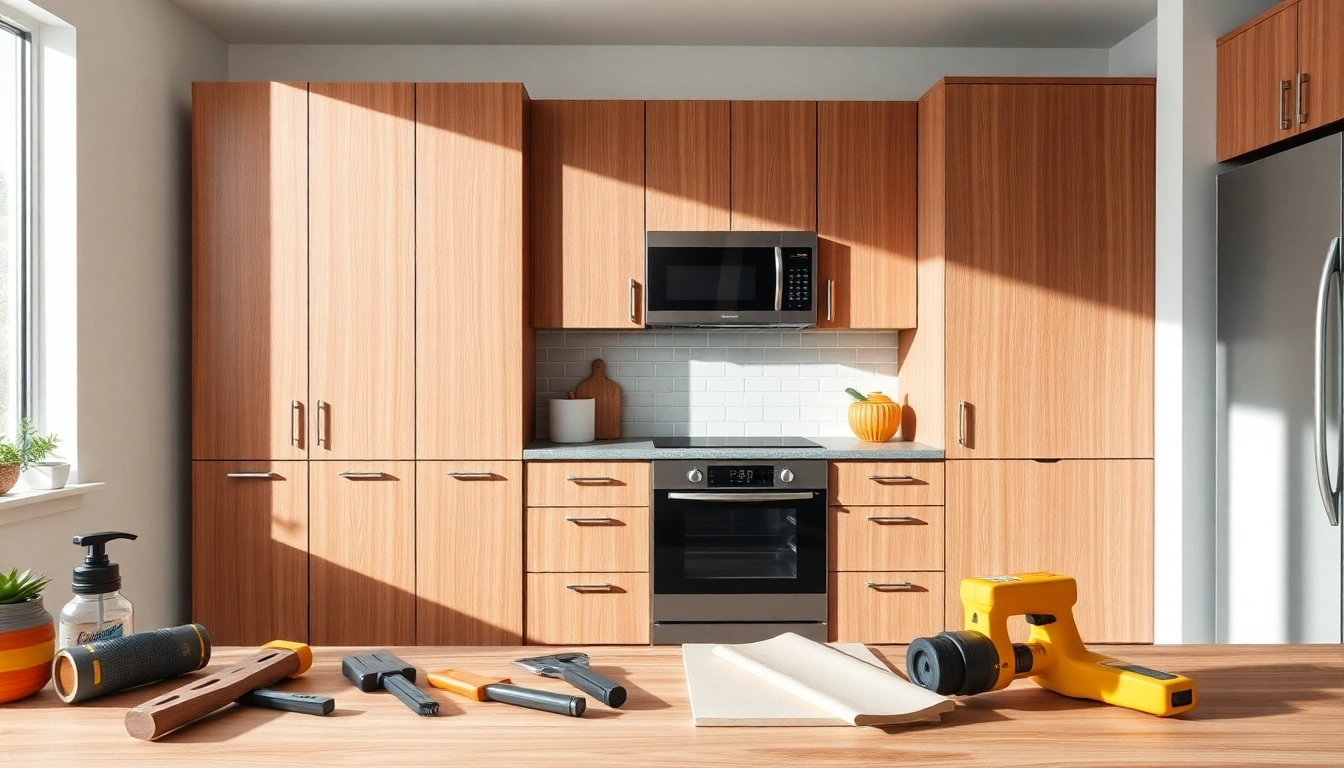
Cabinet refacing is a transformative process that involves updating the exterior of your existing cabinets without the need for complete replacement. This often includes replacing the cabinet doors and drawer fronts while applying a new veneer or laminate to the cabinet boxes, creating a fresh and updated look. Refacing not only enhances the aesthetics of your kitchen or bathroom but also provides a cost-effective solution for those looking to modernize their space. If you’re considering kitchen improvements, Cabinet Refacing Clearwater FL can be an excellent choice.
Benefits of Cabinet Refacing
The benefits of cabinet refacing extend beyond mere aesthetics. Here are some compelling reasons to consider this service:
- Cost-Effective: Refacing cabinets usually costs significantly less than a full cabinet replacement, making it a smart choice for budget-conscious homeowners.
- Less Waste: Refacing generates less waste because the original cabinet boxes remain intact. This is a more environmentally friendly option than replacing cabinets entirely.
- Faster Process: The refacing process is generally quicker than replacing cabinets, with many projects completed within a few days.
- Customization Options: Homeowners can choose from a wide variety of materials, colors, and finishes to create a style that matches their vision.
- Increased Home Value: Upgrading your kitchen with refaced cabinets enhances your home’s appeal, potentially increasing its market value.
Differences Between Refacing and Replacing Cabinets
While both refacing and replacing are options for cabinet renovations, they cater to different needs and budgets:
- Cabinet Refacing: This involves changing only the visible components of the cabinets, such as doors and veneer, preserving the existing cabinet structure.
- Cabinet Replacing: Involves the complete removal of old cabinets and installation of new ones, offering a fresh start but often at a much higher cost and time investment.
Refacing is ideal if your cabinet structure is sound and you want a new look without substantial renovations.
Choosing the Right Materials
Top Material Options for Cabinet Refacing
When it comes to cabinet refacing, the choice of materials can significantly impact the final outcome. Here are some of the most common materials used:
- Wood Veneer: Offers a natural look and feel that can be stained or finished to enhance its beauty.
- Laminate: This synthetic surface is available in many colors and finishes, and is durable and easy to clean.
- Thermofoil: Made from a vinyl material wrapped around MDF, this is a budget-friendly option that comes in a wide array of colors and styles.
- Solid Wood: While more expensive, solid wood provides a classic and sturdy look that can last for many years.
Comparing Laminates and Hardwoods
Both laminates and hardwoods have their merits:
- Laminates: Generally more cost-effective, laminate materials resist scratches and stains, making them excellent for high-traffic areas.
- Hardwoods: While often more expensive, hardwoods can provide unparalleled warmth and beauty. They can also be refinished if scratched or damaged.
Ultimately, your choice may depend on your budget, desired aesthetics, and maintenance preferences.
Tips for Selecting Colors and Finishes
Choosing the right colors and finishes for cabinet refacing can make a dramatic difference in your space. Consider the following tips:
- Match Your Space: Look at other colors in the room, like the countertops and walls, to find complementary shades.
- Neutral vs. Bold: If you prefer something timeless, go with neutrals. For a statement piece, consider bold colors or unique textures.
- Finish Matters: Glossy finishes can brighten a space, while matte finishes provide a more subdued look.
The Refacing Process
Step-by-Step Guide to Cabinet Refacing
The cabinet refacing process can generally be broken down into the following steps:
- Assessment and Design: Meet with an expert to assess your cabinets and design a reface plan that suits your needs.
- Preparation: Remove existing cabinet doors, drawer fronts, and hardware to prepare the cabinet boxes.
- Application of New Veneer: Apply the chosen veneer or laminate to the cabinet boxes for a refreshed look.
- Install New Doors and Hardware: Replace old doors and drawer fronts with new ones, and add modern hardware for an updated appearance.
- Final Inspection: Ensure everything is securely installed and that the finish meets your expectations.
Common Tools Used in Refacing
Several tools are commonly used in the cabinet refacing process, including:
- Drills and Screwdrivers: For removing and attaching hardware.
- Circular Saws: To cut veneer or laminate to size.
- Measuring Tools: To ensure accurate dimensions for cuts and layouts.
- Contact Cement: For attaching the veneer securely to the cabinet boxes.
Timeline and What to Expect
The timeline for refacing cabinets can vary, but a typical project lasts between 2 to 5 days. Here’s what you might expect:
- Day 1: Assessment and removal of old cabinet components.
- Day 2: Application of new veneer or laminate.
- Day 3: Installation of new cabinet doors, drawer fronts, and hardware.
- Day 4: Final inspections and adjustments.
Throughout the process, communication with your contractor is key to a smooth experience.
Cost Considerations
Factors Affecting Cabinet Refacing Costs
Several factors can influence the overall cost of your cabinet refacing project, including:
- Size of the Project: A larger kitchen with more cabinets will require a bigger budget.
- Materials Chosen: The choice between laminate, wood veneer, or solid wood can greatly impact costs.
- Labor Costs: Hiring skilled professionals will add to the overall expense.
Budgeting for Your Project
The average cost of cabinet refacing can range from $4,000 to $9,000, depending on the factors mentioned. To properly budget:
- Obtain estimates from multiple contractors.
- Consider setting aside a contingency fund for unexpected costs.
- Make educated choices regarding materials and designs to align with your budget.
Comparing Costs with Full Cabinet Replacement
Refacing cabinets generally costs 30% to 50% less than full cabinet replacement. Here’s a quick comparison:
- Cabinet Refacing: Approximately $4,000 to $9,000.
- Full Replacement: Ranges from $10,000 to $25,000 or more based on cabinetry style and size.
For many homeowners, cabinet refacing provides a high return on investment while achieving a similar aesthetic to new cabinets.
Maintenance and Upkeep
Best Practices for Maintaining Refaced Cabinets
To ensure your refaced cabinets maintain their beauty and durability, consider these best practices:
- Regular Cleaning: Wipe down surfaces with a mild detergent and soft cloth to prevent buildup.
- Avoid Harsh Chemicals: Steer clear of abrasive cleaners as they may damage the finish.
- Inspect Hardware: Periodically check and tighten hardware to ensure everything remains secure.
Common Issues and Solutions
While cabinet refacing generally yields long-lasting results, some common issues may arise:
- Peeling Veneer: If this occurs, carefully apply a small amount of contact cement to reattach it.
- Scratches: Use color-matched touch-up markers for minor blemishes.
- Fading: Position your cabinets away from direct sunlight to minimize fading over time.
When to Consider Refacing Again
As home styles and personal tastes evolve, you may consider refacing your cabinets again in the future:
- If you want to update to new colors or styles based on current trends.
- When wear and tear become noticeable, impacting both aesthetics and functionality.
- To match renovations in other areas of your home that warrant a cohesive look.
Frequently Asked Questions
1. How long does cabinet refacing last?
The lifespan of refaced cabinets varies based on materials and maintenance but can last 10-20 years with proper care.
2. Can I DIY cabinet refacing?
While DIY is possible, hiring a professional ensures a polished finish and reduces the risk of errors that can be costly.
3. Is cabinet refacing a good investment?
Yes, cabinet refacing can increase your home’s value while providing a fresh look at a fraction of the cost of a full replacement.
4. What styles are available for cabinet refacing?
There are countless styles, from traditional to modern. Your choice can impact the overall feel of your kitchen or bathroom.
5. How do I clean refaced cabinets?
Use a mixture of mild soap and water with a soft cloth for cleaning. Avoid harsh chemicals or abrasive materials.