
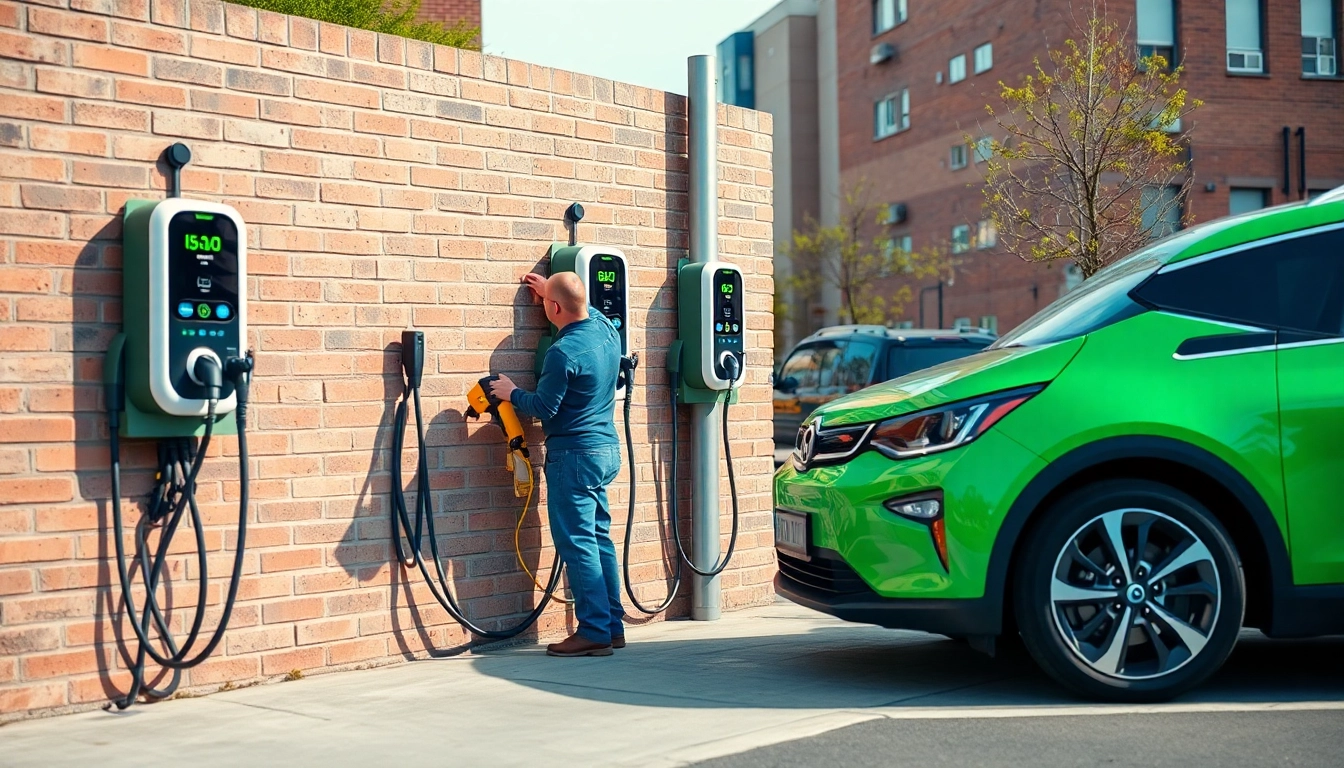
Understanding EV Charging Installation
What is EV Charging Installation?
EV Charging Installation refers to the setup of electric vehicle charging stations that allows electric vehicles (EVs) to recharge their batteries. This process involves various components, including the installation of charging units, electrical infrastructure, and connectivity features that allow for effective charging. These installations can be implemented in both residential and commercial settings and are becoming increasingly vital as the adoption of electric vehicles continues to rise. By investing in EV Charging Installation, businesses and homeowners can enhance sustainability efforts and support the transition towards an electric future. For more information regarding EV Charging Installation options, EV Charging Installation offers comprehensive solutions tailored to specific needs.
Benefits of EV Charging Installation
Integrating EV charging stations into properties offers numerous benefits. Firstly, they support environmental sustainability by reducing carbon emissions and reliance on fossil fuels. Secondly, offering EV charging at commercial locations can attract customers who own electric vehicles, creating a competitive edge. Moreover, businesses can enhance their brand image by showing a commitment to green initiatives. Lastly, as EV adoption increases, charging stations can contribute to long-term cost savings, mitigate future fuel price volatility, and even provide additional revenue streams through charging fees.
Types of EV Charging Stations
EV charging stations can be categorized into three primary types based on their power levels:
- Level 1 Charging: This involves a standard 120-volt outlet and is often utilized at residential locations. Charging is relatively slow, taking several hours to fully charge a vehicle.
- Level 2 Charging: Offering 240 volts, this type is commonly used in commercial settings. It provides faster charging times, typically requiring 4 to 6 hours for a full charge.
- DC Fast Charging: This type delivers high-voltage direct current to the vehicle, enabling rapid charging in about 30 minutes. It is mostly found along highways for quick stops.
Planning Your EV Charging Installation
Assessing Your Location for Installation
Before proceeding with EV Charging Installation, it is crucial to assess the chosen location. Factors to consider include the proximity to the electrical supply, accessibility for users, and space requirements for the installation. For commercial spaces, ensuring sufficient parking areas and clear signage can enhance user experience. Additionally, it’s important to evaluate the local grid capacity to handle the additional load that charging stations may impose, which can vary based on location and local infrastructure.
Understanding Local Regulations for EV Charging
Each region may have specific regulations governing the installation of EV charging stations. These can include zoning laws, building codes, and safety regulations that ensure compliance and optimal functionality. Engaging with local government offices and utility providers can help clarify these requirements. Familiarity with incentives or grant programs available in your area can also aid in financially supporting the installation process.
Budgeting for Your Installation
Budgeting is a critical step in the planning phase. Costs associated with EV Charging Installation can vary widely depending on station types, installation complexity, and additional infrastructure requirements. It’s essential to factor in expenses for equipment purchase, installation labor, permits, and ongoing maintenance. Creating a comprehensive budget will help to minimize unexpected financial burdens and ensure that the installation aligns with your overall financial expectations.
Step-by-Step EV Charging Installation Process
Selecting the Right Equipment
The choice of EV charging equipment plays a significant role in your installation’s effectiveness. It’s important to select chargers that match the needs of your users, whether they are residential clients or commercial customers. Considerations for selecting the right equipment include charger compatibility with various EV models, charging speed, and user-friendly features such as smartphone connectivity for tracking charging status. Consulting with experts or suppliers can provide insights into the best options available.
Hiring Qualified Installers
To ensure a successful installation, hiring qualified professionals is critical. Look for licensed electricians with experience in EV charging installations. They can address unique aspects of the installation, such as ensuring compliance with electrical codes and optimizing installations to maximize efficiency. Obtaining quotes from several contractors while checking references can also help in making an informed decision.
Installation Timeline and Expectations
The timeline for EV Charging Installation can vary depending on factors such as equipment type, location complexity, and local regulations. Typically, installations may take anywhere from a few days to several weeks. Effective communication with the installers will set reasonable expectations regarding the installation process, including any potential disruptions to existing operations and deadlines for project completion.
Best Practices for Effective EV Charging Installation
Maximizing Efficiency in Installation
Ensuring efficiency during the installation process not only saves time and costs but also promotes a smoother operation post-installation. Utilize project management techniques to streamline installation steps, and ensure effective communication among all parties involved. This includes clear schedules, defined roles, and regular status updates. Conducting site assessments and preparation in advance can help mitigate potential issues during installation. Proper planning and execution can enhance the overall outcome significantly.
Maintenance Tips for Charging Stations
Regular maintenance is vital to ensuring the longevity and efficiency of EV charging stations. Establish a routine inspection checklist that includes cleaning equipment, checking for any wear and tear, and ensuring software is updated for smart charging stations. Promptly addressing any maintenance issues can prevent larger problems down the line. Documenting service history and scheduling maintenance activities can help manage ongoing operational costs and enhance user satisfaction.
Integrating Charging Stations into Your Business Model
To maximize the return on investment from EV charging stations, businesses should consider integrating them into their broader operational framework. This includes looking at pricing strategies, whether to offer free charging as an incentive or charge users a fee. Additionally, engaging in marketing strategies that highlight the availability of charging stations can attract eco-conscious customers. Collaborating with local businesses to create charging networks can also enhance visibility and usage.
Future Trends in EV Charging Installation
Innovations in Charging Technology
The landscape of EV charging technology is rapidly evolving. Innovations such as wireless charging, ultra-fast chargers, and improved battery technology are changing how vehicles can be charged. Charging stations are also becoming more integrated with renewable energy sources, promoting sustainability. Embracing these upcoming trends can provide businesses and homeowners with a competitive advantage as technology continues to advance.
Government Incentives and Support
Governments worldwide are supporting EV adoption through various incentives, including tax credits, rebates, and grants to offset installation costs. Staying informed about these programs can provide substantial financial relief during the installation process. Engaging with local or national resources can also provide updates on evolving legislation that supports electrification efforts and the promotion of public charging infrastructures.
Emerging Market Opportunities for Installation
As the demand for electric vehicles continues to surge, opportunities for EV charging installations are expanding. Businesses in sectors such as retail, hospitality, and fleet management can find substantial returns by investing in charging infrastructure. Moreover, as municipalities push for greener transportation solutions, public entities that install charging stations can access funding opportunities while improving community access to EV charging options, thereby driving further adoption.
Frequently Asked Questions
What is the average cost of EV Charging Installation?
The cost of EV Charging Installation can vary widely depending on factors such as equipment type, installation site, and labor costs. On average, costs may range from a few hundred to several thousand dollars, depending on the scope of the project.
How long does it take to install an EV charging station?
The installation timeline can vary but typically takes anywhere from a few days to several weeks depending on your chosen site, required permits, and complexity of the installation.
Are there any government incentives for EV Charging Stations?
Yes, many governments offer incentives, such as tax credits or grants, to offset the costs of EV Charging Installation. It’s recommended to check with local or national resources for available programs.
Can EV charging stations be installed at homes?
Absolutely! Homeowners can install charging stations for convenience. Level 1 chargers can use a standard outlet, while Level 2 chargers may require a dedicated circuit and professional installation.
What maintenance is required for EV charging stations?
Routine maintenance includes periodic inspections, cleaning, and software updates for smart stations. Regular upkeep helps maintain efficiency and prolong the lifespan of the charging equipment.