
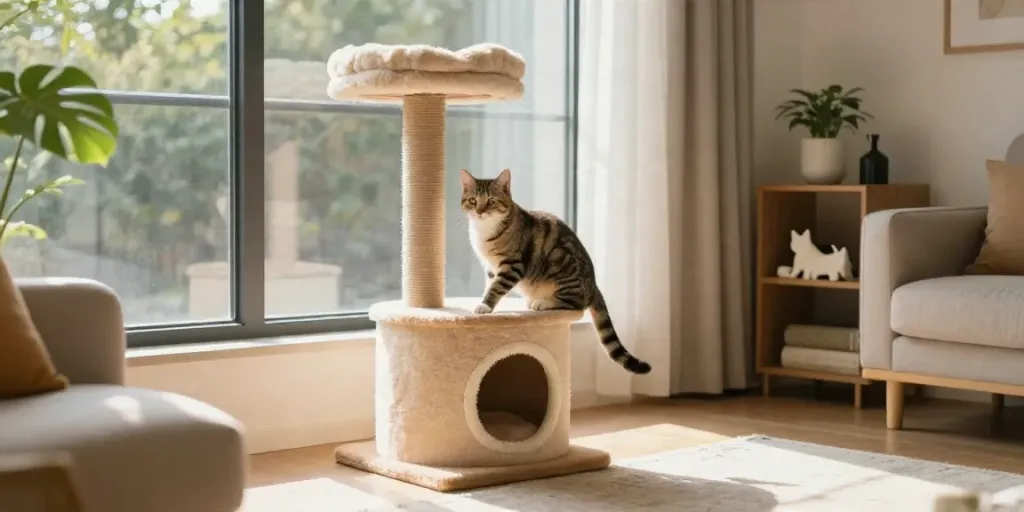
Understanding the Importance of Cat Trees
For cat owners, providing a stimulating environment for their feline friends is essential to ensuring their happiness and well-being. One of the most effective ways to achieve this is through a cat tree—a multi-level structure designed for climbing, scratching, and lounging. When exploring options, cat tree designs vary widely, catering to different sizes, styles, and preferences, which can make the selection process both exciting and overwhelming.
Why Every Cat Needs a Cat Tree
Every cat, regardless of its age or breed, can benefit from a cat tree. These structures mimic the natural climbing environments that cats would encounter in the wild. A cat tree provides a designated area for climbing, scratching, and playing, allowing cats to express their natural instincts. Additionally, having a dedicated space helps alleviate issues related to boredom, which can lead to behavioral problems in indoor cats.
Benefits of Cat Trees for Mental Health
Cat trees contribute significantly to a cat's mental health. They allow cats to engage in play and exercise, which are crucial for maintaining a healthy weight and preventing obesity. Climbing and perching at different heights provide cats with a sense of security, as they can observe their territory from a vantage point. This is particularly important in multi-pet households, where competition for space can lead to stress. Furthermore, the additional features of many cat trees, such as scratching posts and hideaways, can provide mental stimulation that keeps cats entertained and happy.
Common Misconceptions About Cat Trees
Many people believe that cat trees are merely a luxury item, but they serve essential purposes. There’s a misconception that only active cats require cat trees. In reality, even the laziest of cats benefit from having a dedicated space to lounge and scratch. Another common belief is that all cat trees are created equal; however, the quality, size, and design vary greatly, which affects their suitability for different cats.
Types of Cat Trees Available
The market for cat trees has expanded remarkably over the years, resulting in a diverse range of choices. Understanding the different types of cat trees can help you select the best option for your feline companion.
Modern vs. Traditional Cat Tree Designs
Cat trees come in a variety of designs, with modern styles often featuring sleek lines and minimalistic aesthetics, while traditional cat trees lean towards more rustic and bulky designs. Modern cat trees may incorporate unique materials, such as wood and fabric blends, and often focus more on integrating into home décor. Traditional cat trees, on the other hand, typically include more platforms and scratching posts, which can sometimes make them more practical for active cats.
Choosing the Right Size for Your Cat
When selecting a cat tree, it’s crucial to consider the size of your cat. Larger breeds, like Maine Coons or Ragdolls, require sturdier and more spacious designs to accommodate their weight and provide adequate support. Conversely, smaller breeds may prefer more compact units. It's advisable to pick a height that offers sufficient climbing opportunities, especially for younger and more energetic cats.
Cat Trees for Multiple Cats: What to Consider
If you have more than one cat, it’s essential to choose a cat tree that accommodates multiple users simultaneously. Look for designs with multiple levels and platforms, as well as various scratching posts to prevent territorial disputes. Some cat trees come equipped with separate enclaves or hideaways, allowing each cat its own space to retreat and feel secure.
Factors to Consider When Buying a Cat Tree
Choosing the right cat tree involves considering several factors to ensure it meets your pet's needs and complements your home. Here are key elements to keep in mind when shopping for a cat tree.
Material Quality and Construction
The quality of materials used in a cat tree impacts its durability and safety. Opt for trees made with high-quality wood and sturdy fabric to withstand regular use. Additionally, ensure that the base is heavy enough to prevent tipping when your cat jumps on or off. Look for trees with tightly woven fabrics and solid construction to avoid wear and tear.
Height and Stability Requirements
Height is a significant consideration, especially for adventurous cats. Many cats enjoy high vantage points, so a tall cat tree can satisfy their climbing instincts. However, stability is crucial; a wobbly tree can deter cats from using it. Ensure the tree has a broad base for added support and is anchored correctly.
Additional Features: Scratching Posts and Toys
Many cat trees come with added features, such as scratching posts and dangling toys. Scratching posts are vital for maintaining your cat's claw health and preventing them from damaging your furniture. Additionally, interactive features like hanging toys can entice your cat to engage in play, further enriching their environment.
How to Introduce a Cat Tree to Your Feline
Introducing a new cat tree can be a smooth process with a little strategy. Here are some tips to foster a positive experience for your feline.
Creating a Positive Association with the Cat Tree
To encourage your cat to use the tree, create a positive association with it. Place treats or toys on the platforms and within the hideaways to motivate exploration. Encouragement through praise can also help them feel more comfortable approaching the new structure.
Encouraging Playtime and Exploration
Initially, your cat may be hesitant to climb. You can entice them by using a feather wand or laser pointer to play around the tree. This not only encourages them to climb but also enhances their playtime experience. Always supervise these sessions to ensure safety and make adjustments as needed.
Tips for Positioning the Cat Tree in Your Home
The location of the cat tree can significantly affect its use. Ideal spots are near windows, where cats can watch the outside world, or in communal areas where the cat feels a part of family activities. Avoid placing it in dark corners or areas with low traffic, as these might be less appealing to your cat.
Maintaining Your Cat Tree for Longevity
Proper maintenance can extend the life of your cat tree, keeping it looking fresh and functional for years. Here are some tips to help you maintain your cat tree effectively.
Best Practices for Cleaning and Care
Regular cleaning is essential to keep your cat tree hygienic and appealing. Vacuum fabric surfaces and use mild soap with water to clean wood and fabric parts as needed. Pay special attention to areas that collect fur and dander, as a clean environment can contribute to your cat's overall health.
Recognizing When to Replace Your Cat Tree
Even the best-made cat trees eventually succumb to wear and tear. Signs that it might be time for a replacement include significant wobbling, frayed fabric, or structural damage that compromises safety. Regular checks can help you replace the tree before it becomes a hazard.
Future Trends in Cat Tree Designs (2026 and Beyond)
As pet ownership continues to evolve, so do the designs of cat trees. The future promises more multifunctional designs that blend seamlessly into home décor, with materials that are not only eco-friendly but also easy to clean. Innovations may include customizable features, allowing owners to adjust the setup based on their cats' preferences and behaviors.
Is it worth getting a cat tree?
Yes, investing in a cat tree is well worth it. The physical and mental stimulation it provides enriches your cat’s life, making for a happier and healthier pet.
What is the 3-3-3 rule for cats?
The 3-3-3 rule refers to the typical adjustment period for a cat in a new environment. This includes three days for the cat to adjust to its new home, three weeks to feel comfortable, and three months to settle into its new life.
Are cat trees good for cats?
Absolutely. Cat trees serve as vital physical and mental outlets, especially for active and expressive cats, allowing them to engage in behaviors they would naturally exhibit in the wild.
How much is a Costco cat tree?
Prices for cat trees at Costco can vary widely, typically ranging from around $50 to $200 depending on features and size.
How to choose the best cat tree?
To choose the best cat tree, consider your cat's size, age, and activity level, along with the tree's durability, height, and additional features. Opting for a well-made, versatile cat tree can significantly enhance your cat's quality of life.